-
Karolina Ferreira Fernandes, Symposium on Sustainability Research and Teaching in a Time of Polycrisis
Date: August 18-18, 2026
Event: Symposium on Sustainability Research and Teaching in a Time of Polycrisis
Venue: Södertörn University , Huddinge, Sweden
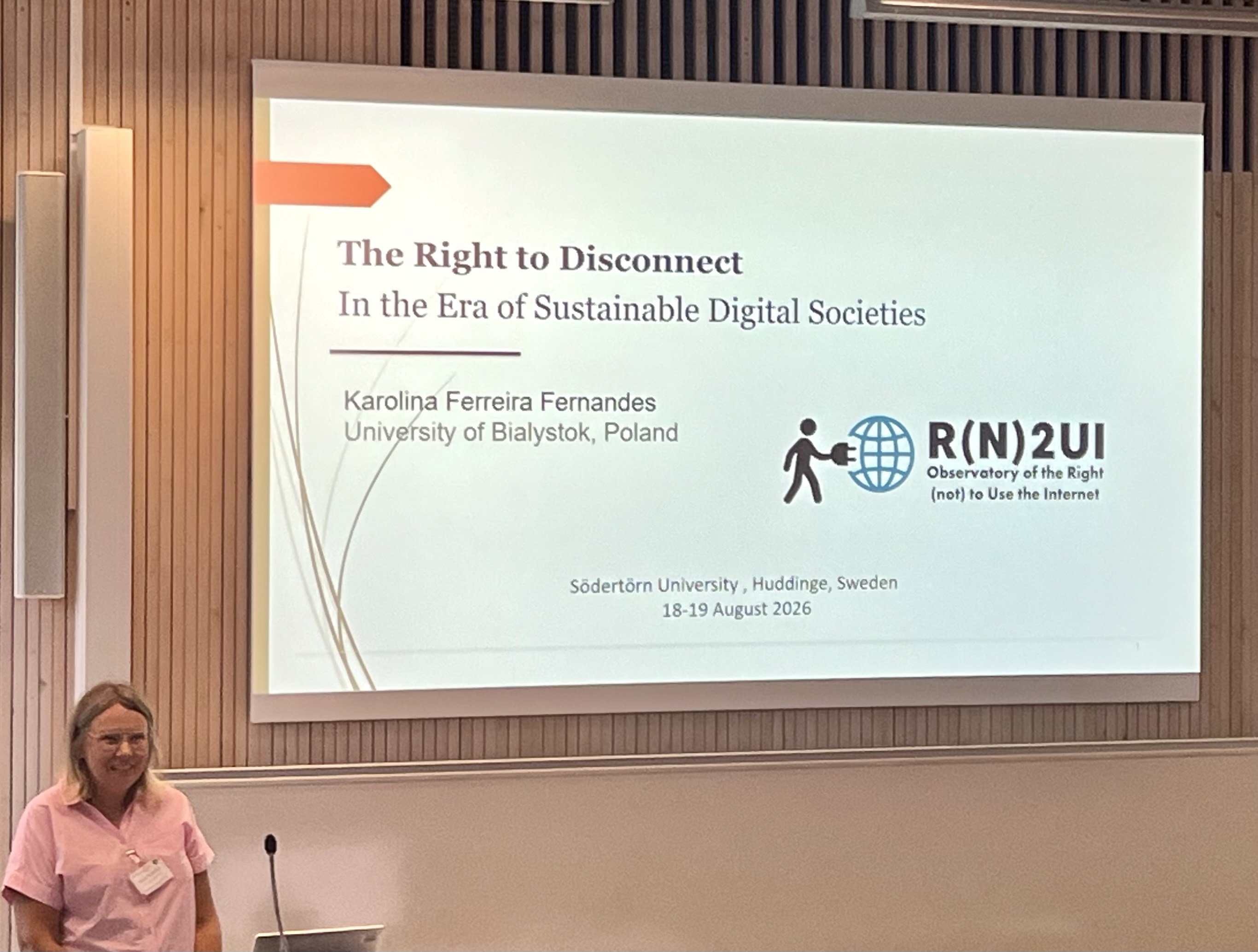
Presentation: The Right to Disconnect in the Era of Sustainable Digital Societies
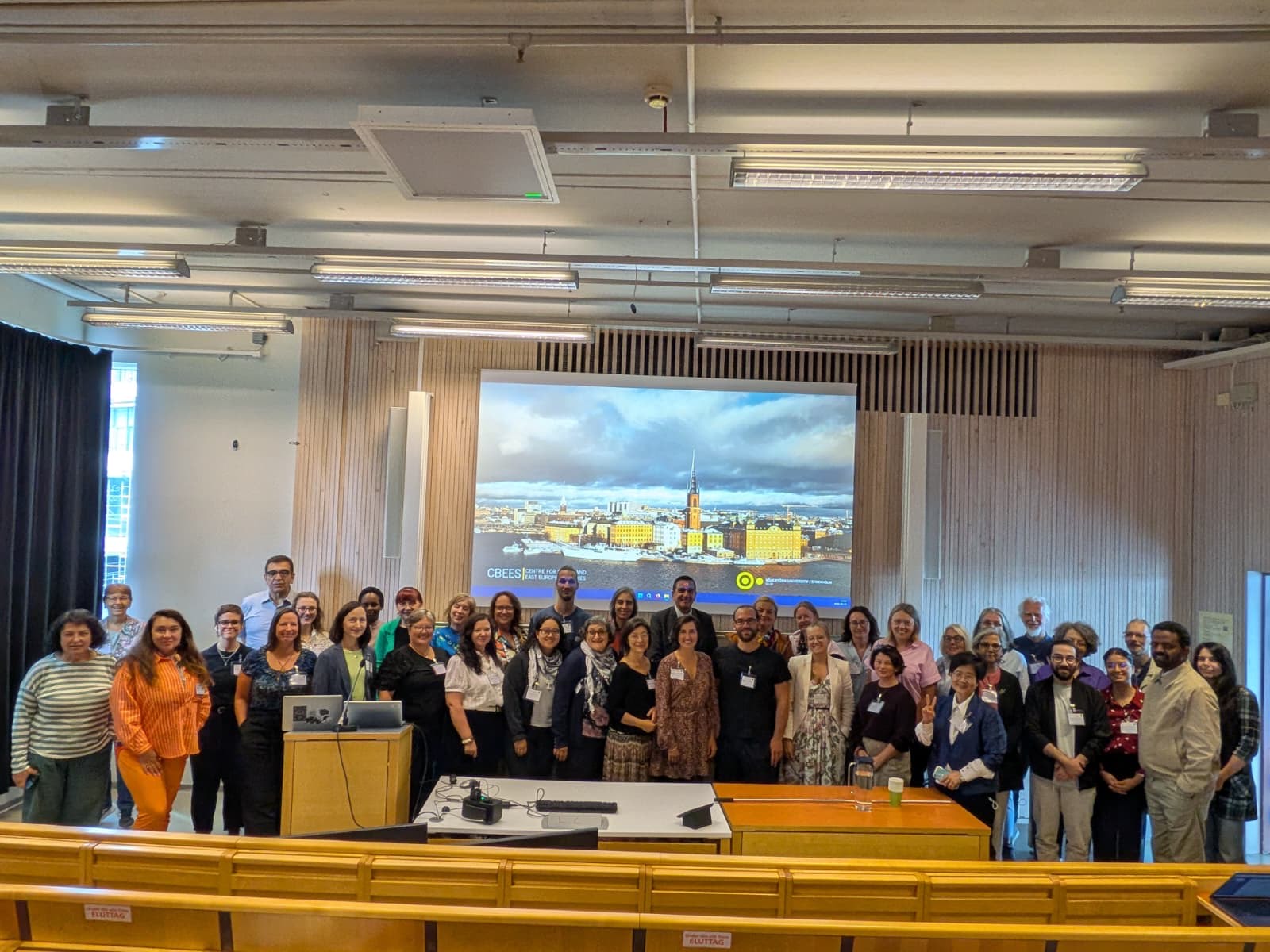
The Symposium on Sustainability Research and Teaching in a Time of Polycrisis, organised and hosted by Södertörn University (Sweden) in cooperation with the Research and Transfer Centre at Hamburg University of Applied Sciences (Germany), the European School of Sustainability Science and Research (ESSSR), the Inter-University Sustainable Development Research Programme (IUSDRP) and the Baltic University Programme (BUP), was held on 18–19 August 2026 in Huddinge, Sweden.
Karolina Ferreira Fernandes from the University of Bialystok participated in the symposium and presented the paper “The Right to Disconnect in the Era of Sustainable Digital Societies”
The presentation explored the right not to use the Internet as an emerging response to the challenges generated and intensified by contemporary polycrises. It focused in particular on the growing dependence on digital technologies and the consequences of the expanding digital environment for individual autonomy, social inclusion and exclusion, and participation in contemporary society.
The paper addressed the right to remain offline or to limit digital engagement within a human rights framework, drawing attention to the increasing difficulty of exercising fundamental rights and accessing essential services without constant digital connectivity. From this perspective, the right not to use the Internet can be understood as an important dimension of individual autonomy and social resilience in times of overlapping social, economic, political and technological crises.
The symposium provided an opportunity for international and interdisciplinary exchange on the role of research and education in responding to the interconnected challenges of the contemporary polycrisis.
- Public Lecture at Waseda University, Japan: Fundamental Rights in the Digital Age: Children, Parents, and Data Protection
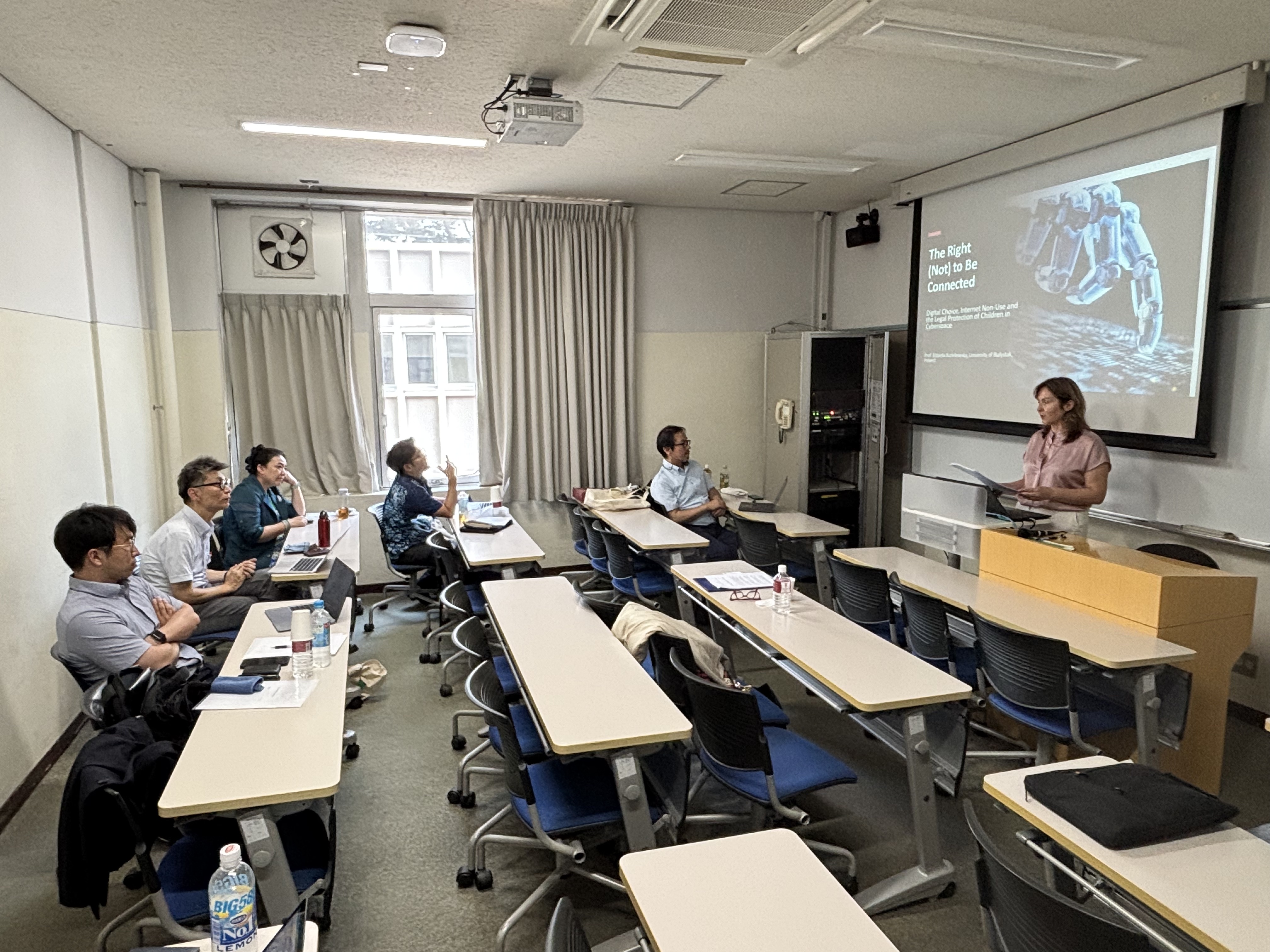
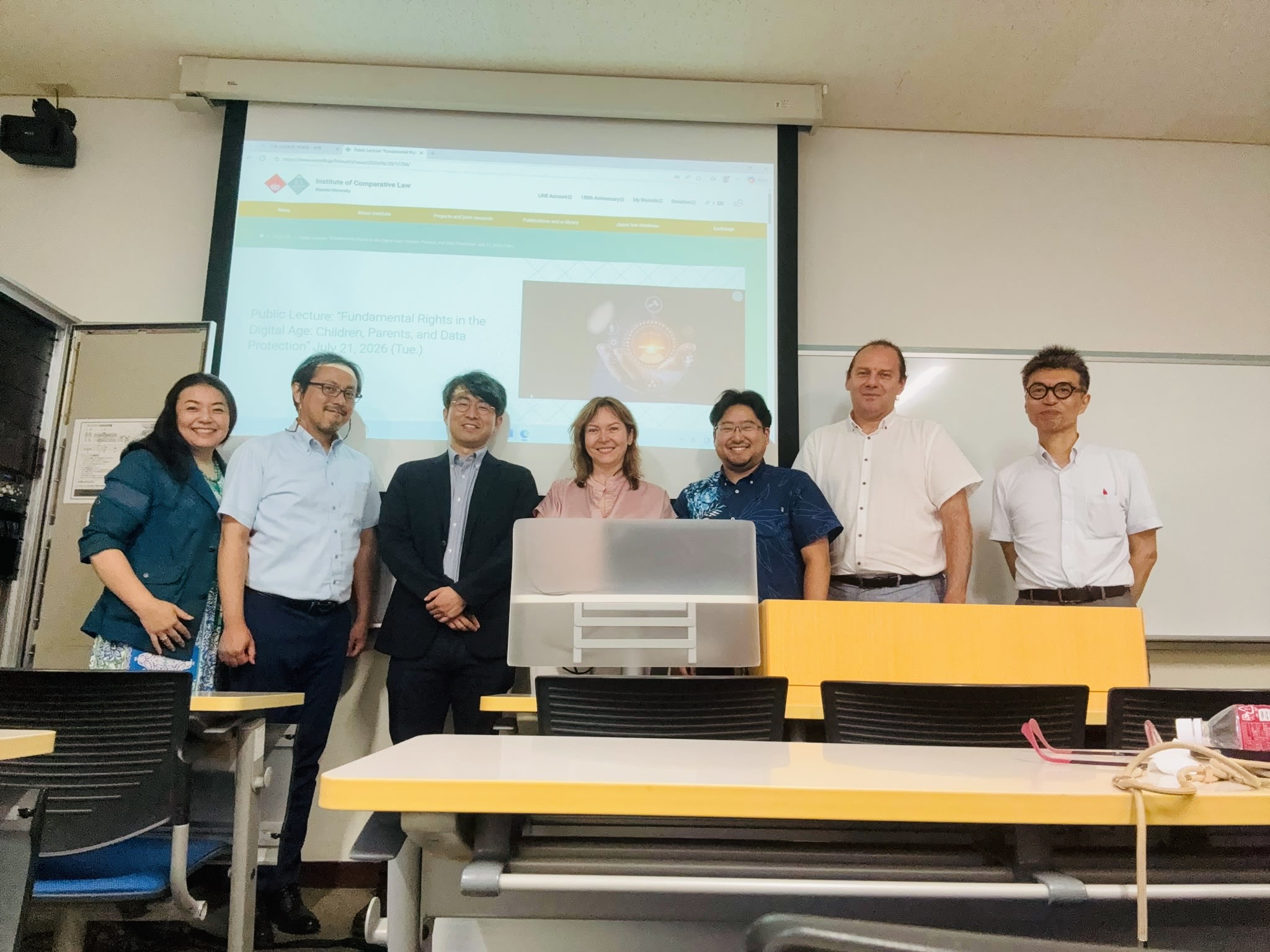
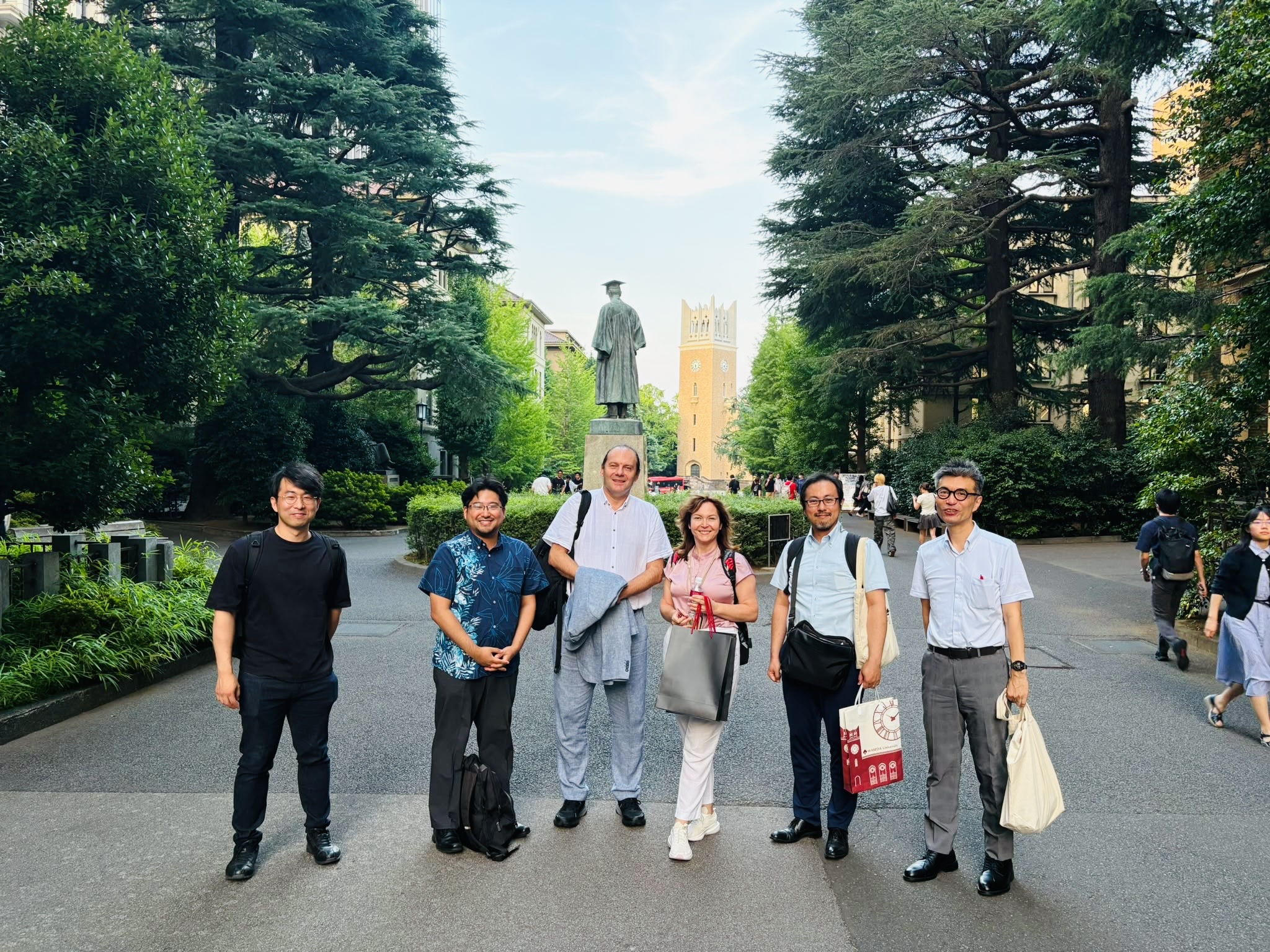
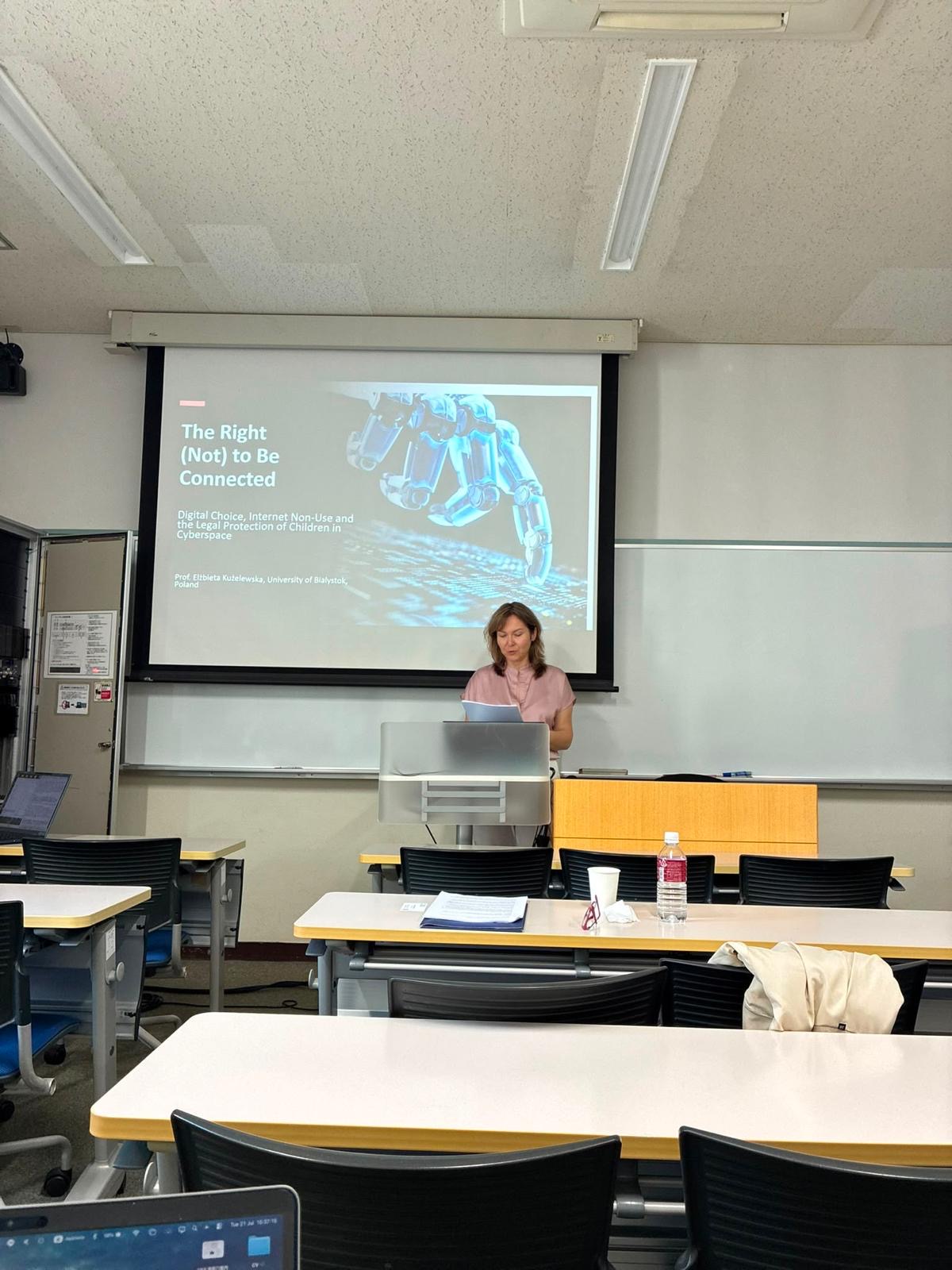
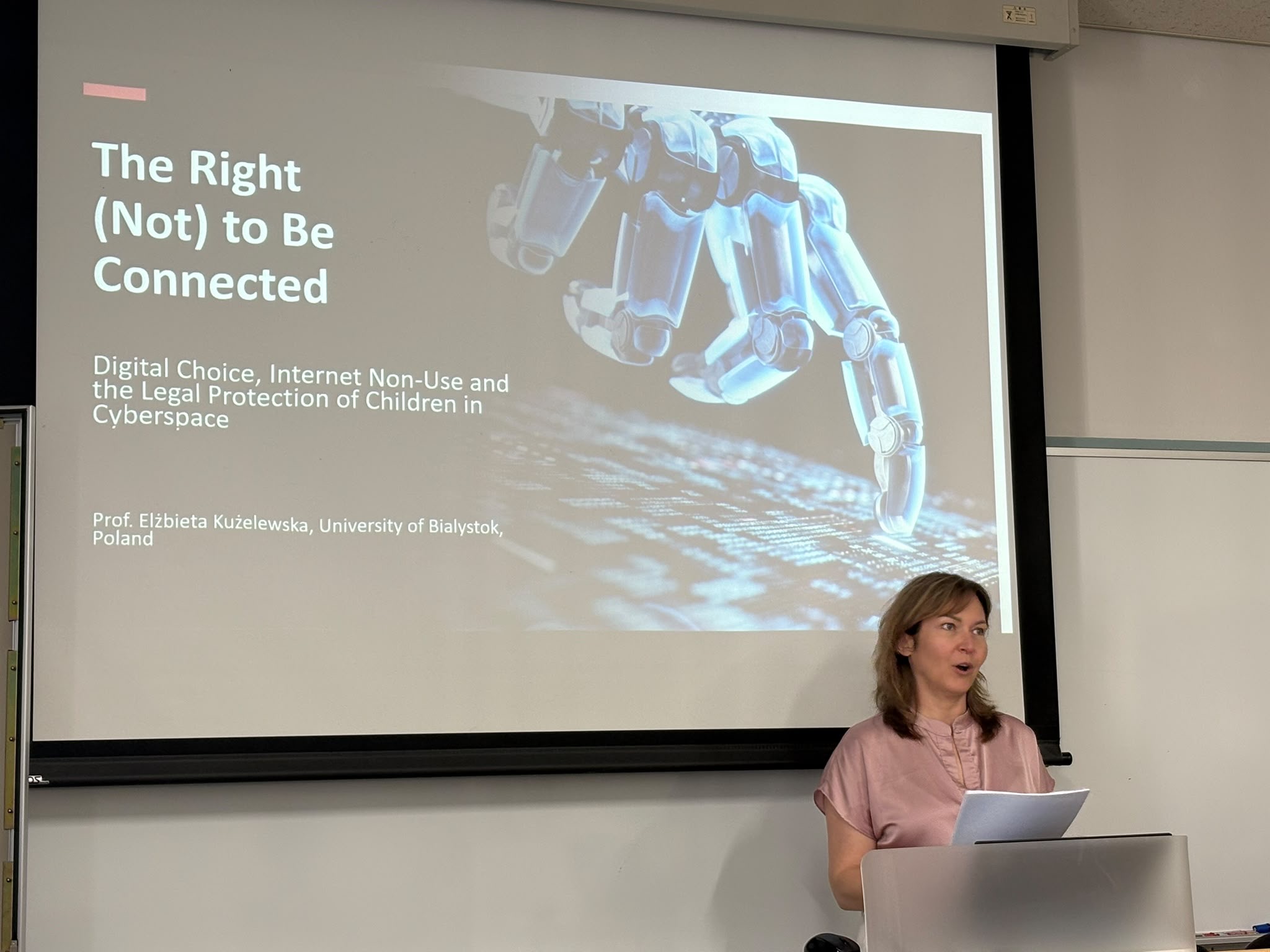
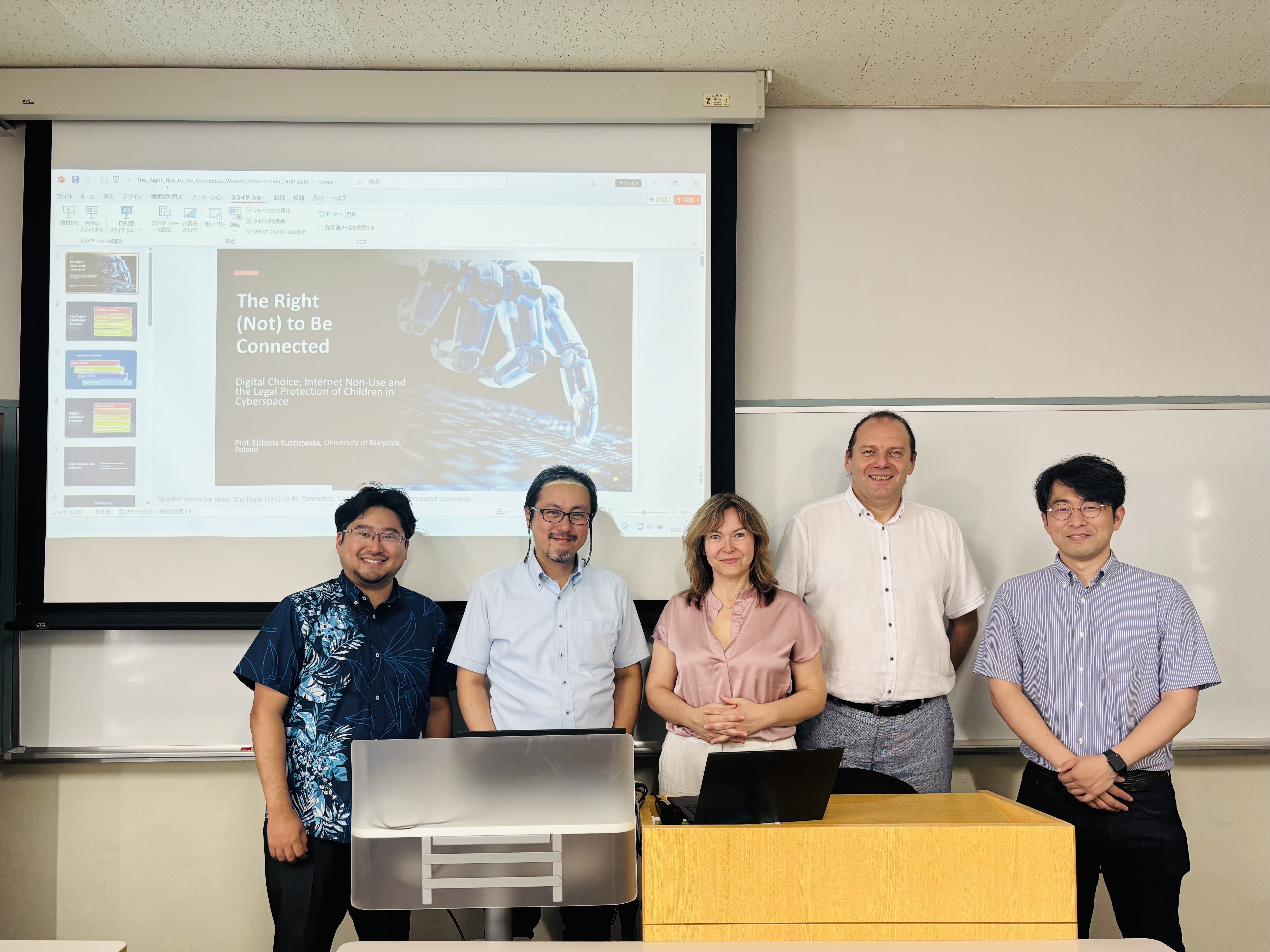
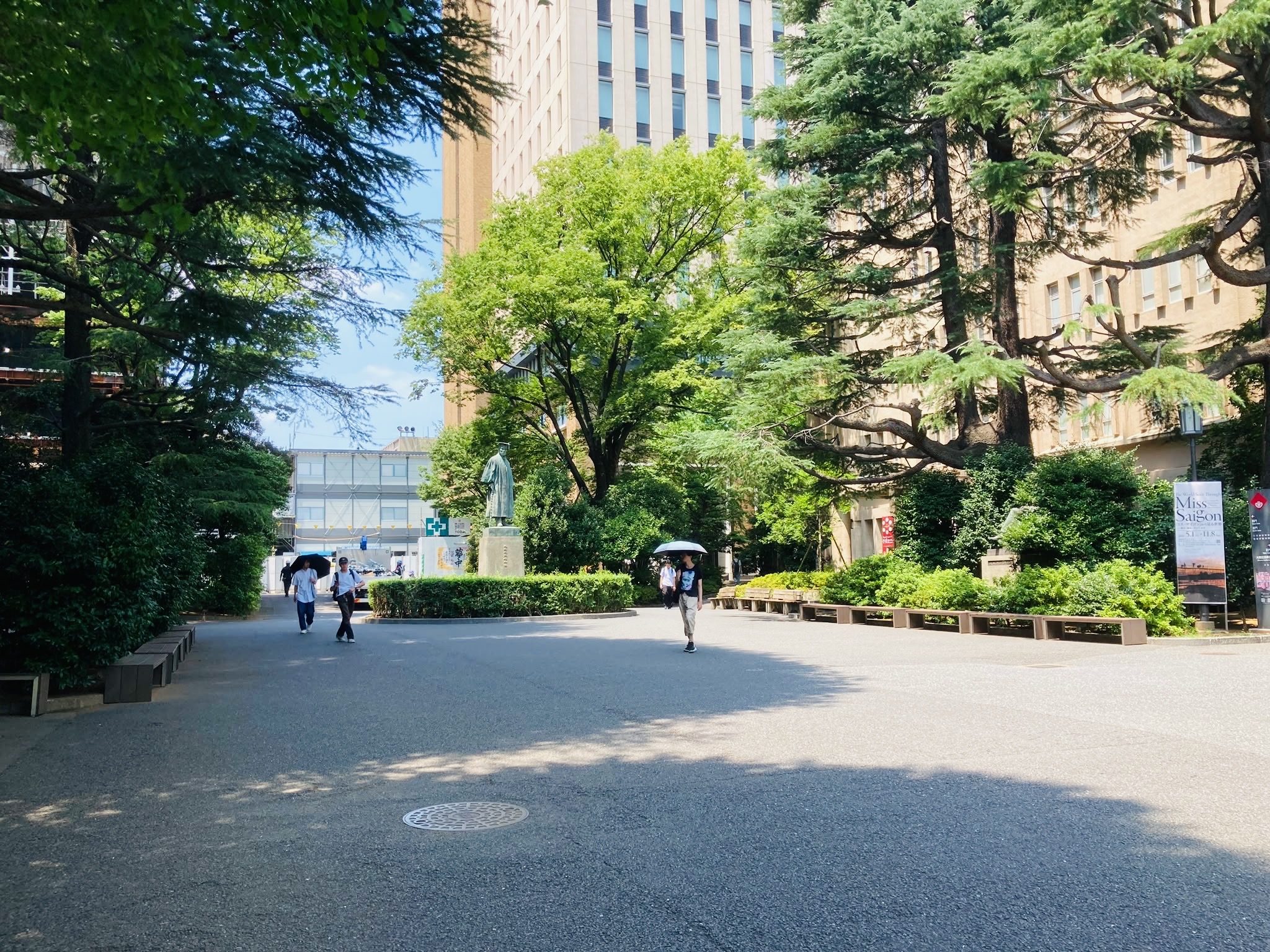
On 21 July 2026, Prof. Elżbieta Kużelewska (University of Bialystok) participated as a speaker in the international public lecture “Fundamental Rights in the Digital Age: Children, Parents, and Data Protection”, organized by the Institute of Comparative Law, Waseda University, in cooperation with the School of Law and the Graduate School of Law. The event brought together scholars from Poland and Japan to discuss the impact of digital technologies on fundamental rights, privacy, and the protection of children in the digital environment.
Prof. Kużelewska delivered a presentation entitled: “The Right to Connect (and Not to Connect): Digital Choice, Non-Use of the Internet, and the Legal Protection of Children in Cyberspace.”
Her lecture addressed the emerging concept of the right not to use the Internet, emphasizing digital choice as an element of individual autonomy and examining its implications for children’s rights and legal protection in cyberspace. The presentation formed part of the “The Right Not to Use the Internet: Observatory” research project, highlighting the need to ensure that digital transformation does not undermine the rights of individuals who choose not to engage with digital technologies.
https://www.waseda.jp/folaw/icl/news/2026/06/30/12704/
- Artur Olechno, World Congress of Constitutional Law, Universidad Externado de Colombia, Bogotá, Colombia
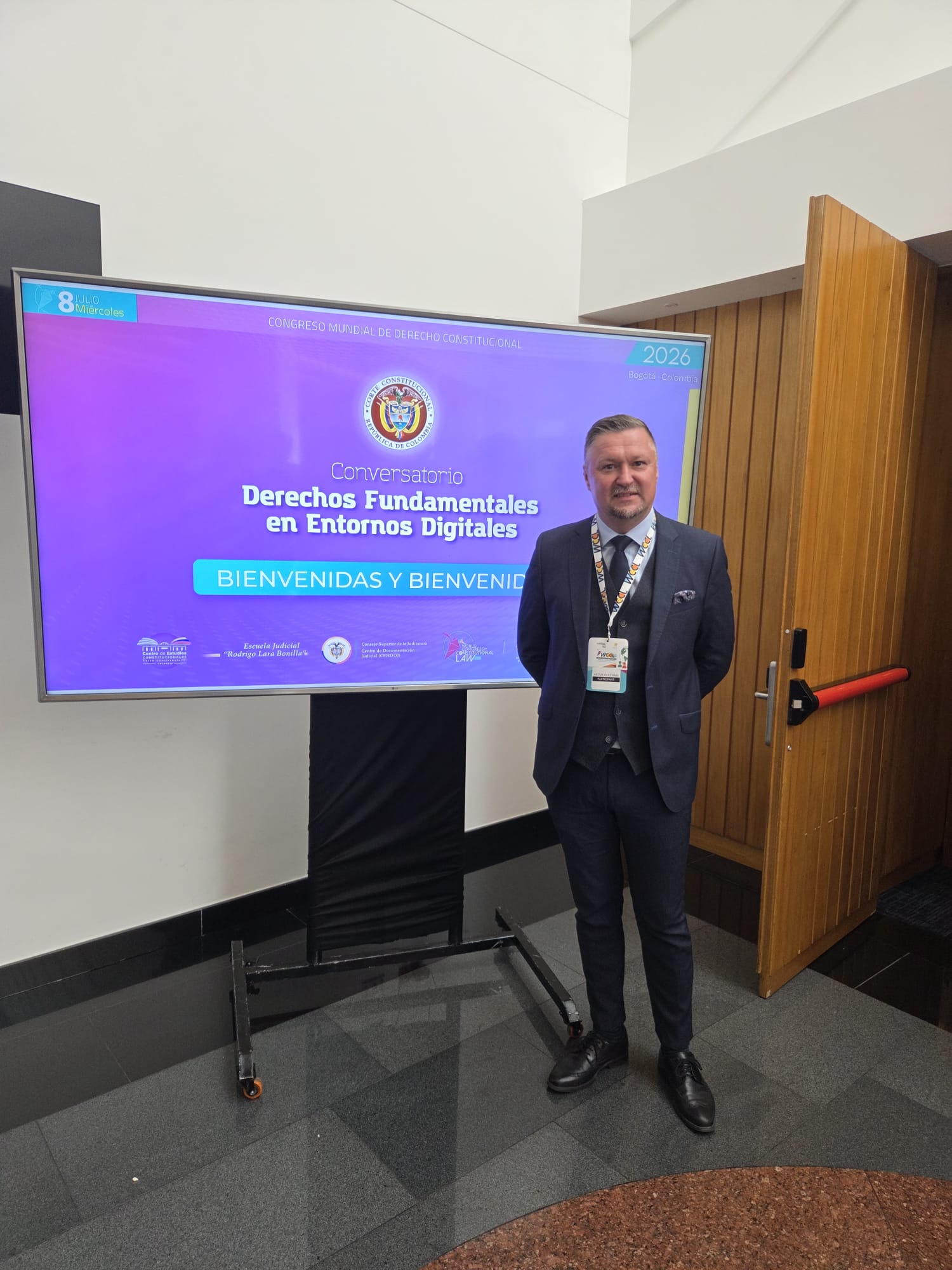
From 6 - 10 July 2026, Professor Artur Olechno participated in the World Congress of Constitutional Law, organised by Universidad Externado de Colombia in Bogotá, Colombia.
During the Congress, Professor Olechno took part in the Mini-Public on Democracy as a Human Right - an international deliberative forum bringing together constitutional scholars and experts from around the world to discuss one of the most significant constitutional challenges of our time: the recognition and development of democracy as a fundamental human right.
The deliberations were organised around five thematic axes: (1) Normative Contents of the Right to Democracy, (2) The Deliberative Dimension of the Right to Democracy, (3) Impact on Existing Democratic Institutions, (4) Democratic Innovations, and (5) Risks and Safeguards of the Right to Democracy. The event provided a unique opportunity for participants from different legal traditions and constitutional systems to exchange perspectives on the future of democratic governance and constitutionalism.
The World Congress of Constitutional Law brought together leading constitutional law scholars, judges, and practitioners from across the globe, fostering international dialogue on the contemporary challenges facing constitutional democracies.
https://wccl2026.uexternado.edu.co/en/welcome/
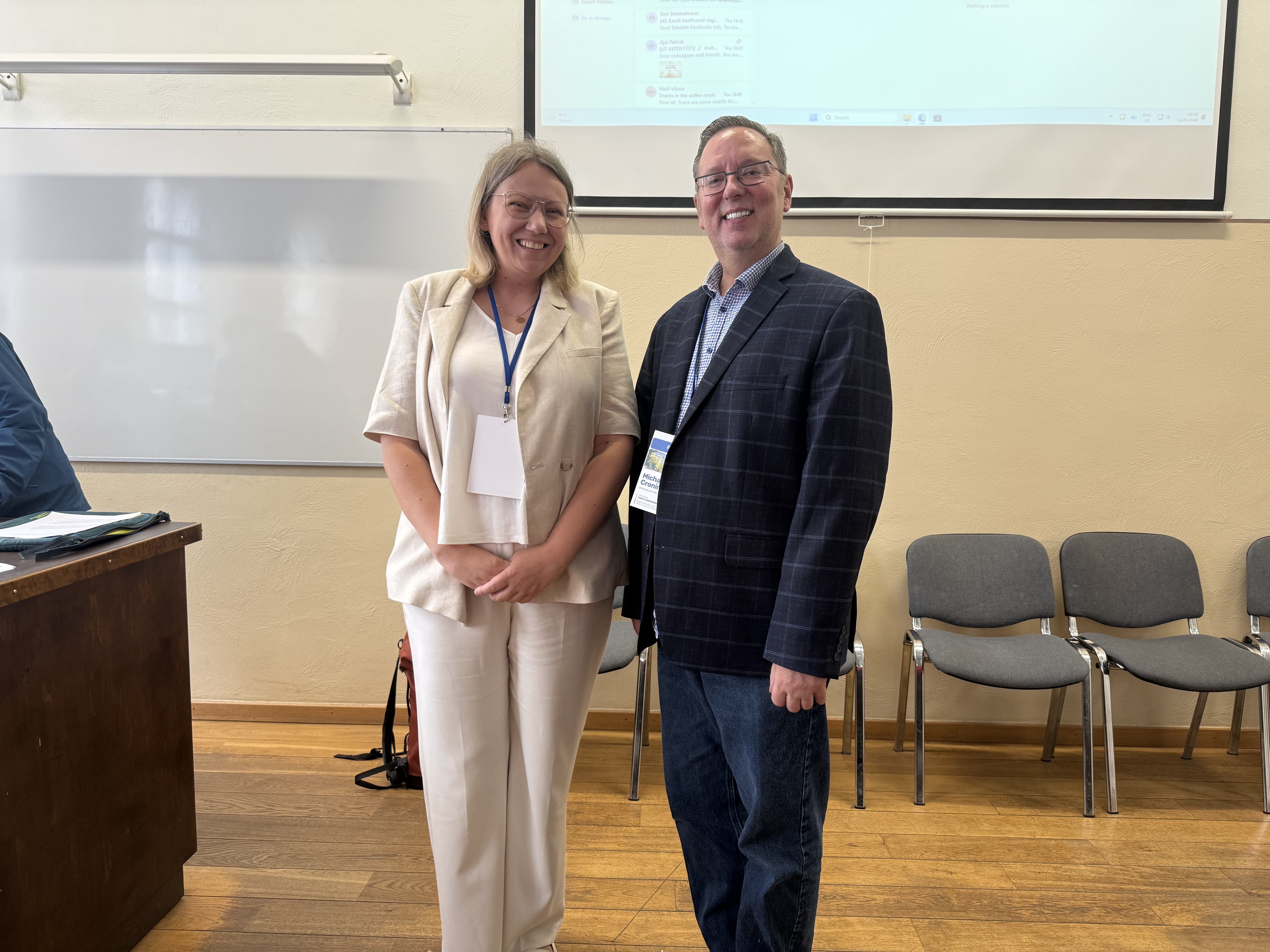
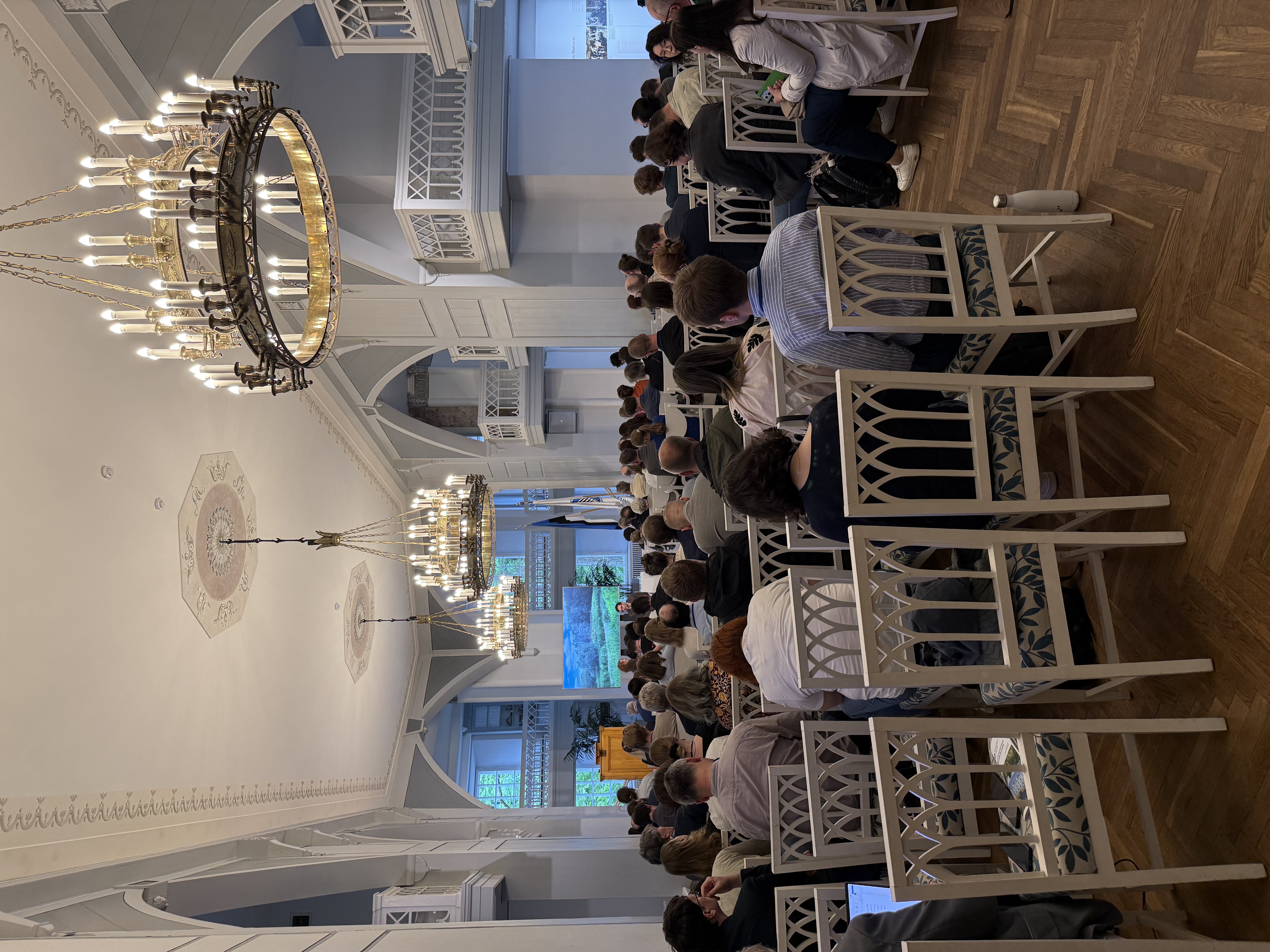
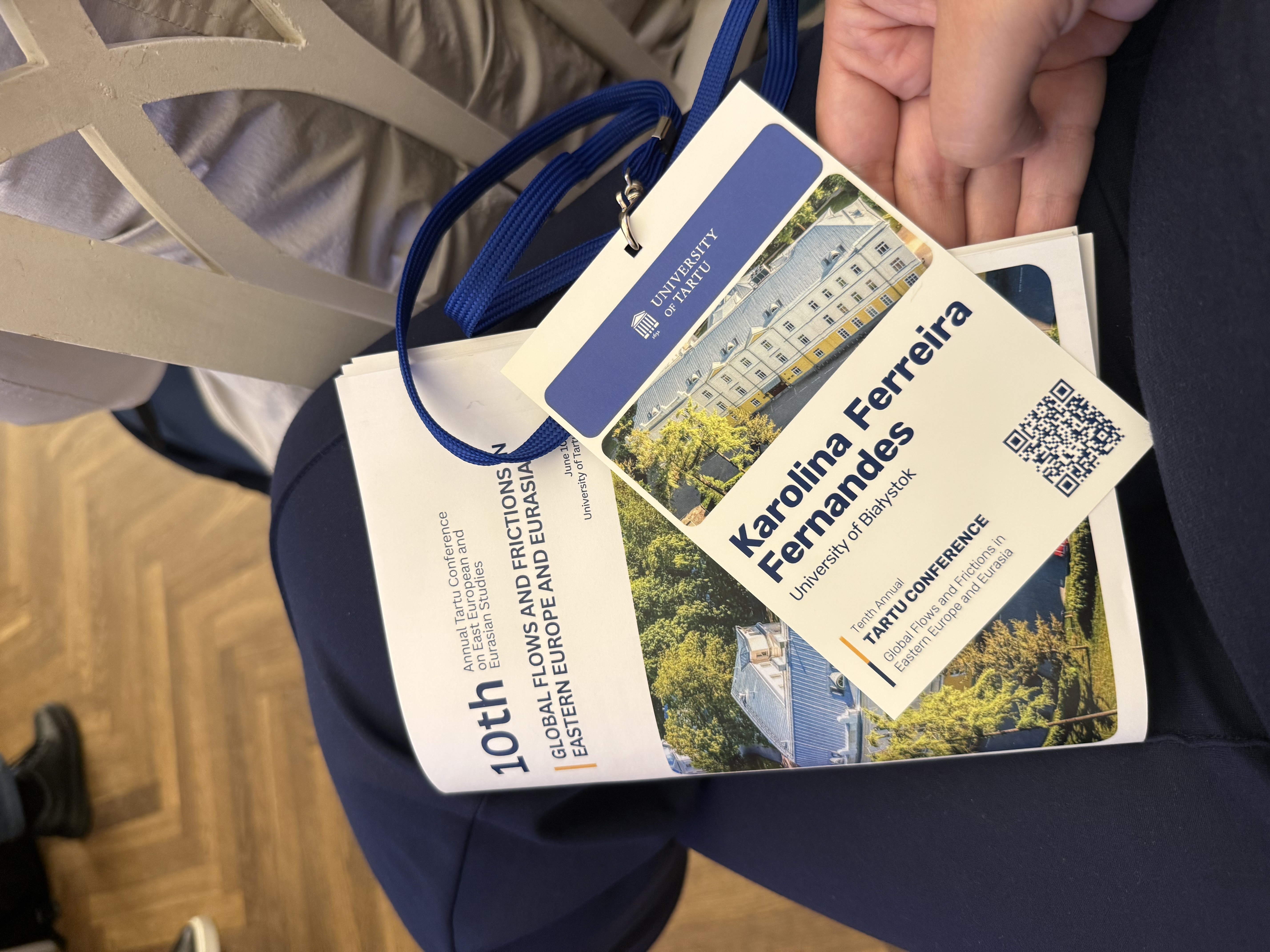
- Karolina Ferreira Fernandes, 10th Annual Tartu Conference on East European and Eurasian Studies, University of Tartu, Estonia.
From 10–12 June 2026, Karolina Ferreira Fernandes participated in the 10th Annual Tartu Conference on East European and Eurasian Studies, held at the University of Tartu, Estonia.
During the panel “From Propaganda Dissemination to Impact Measurement”, she presented a paper entitled “Global Platforms, Local Democracies: How Social Media Reshape Political Participation and Trust in Post-Socialist States”, focusing on the impact of digital platforms on democratic processes, civic participation, and social trust in post-socialist countries.
In her presentation, she referred to the concept of the right not to use the Internet, analysing it as one of the possible responses to the challenges posed by disinformation, information manipulation, social polarisation, and the growing influence of global digital platforms on public debate.
The conference brought together scholars from around the world whose research focuses on Eastern Europe, Eurasia, and contemporary social and political transformations.
- Michał Ożóg
Date: May 21–23, 2026
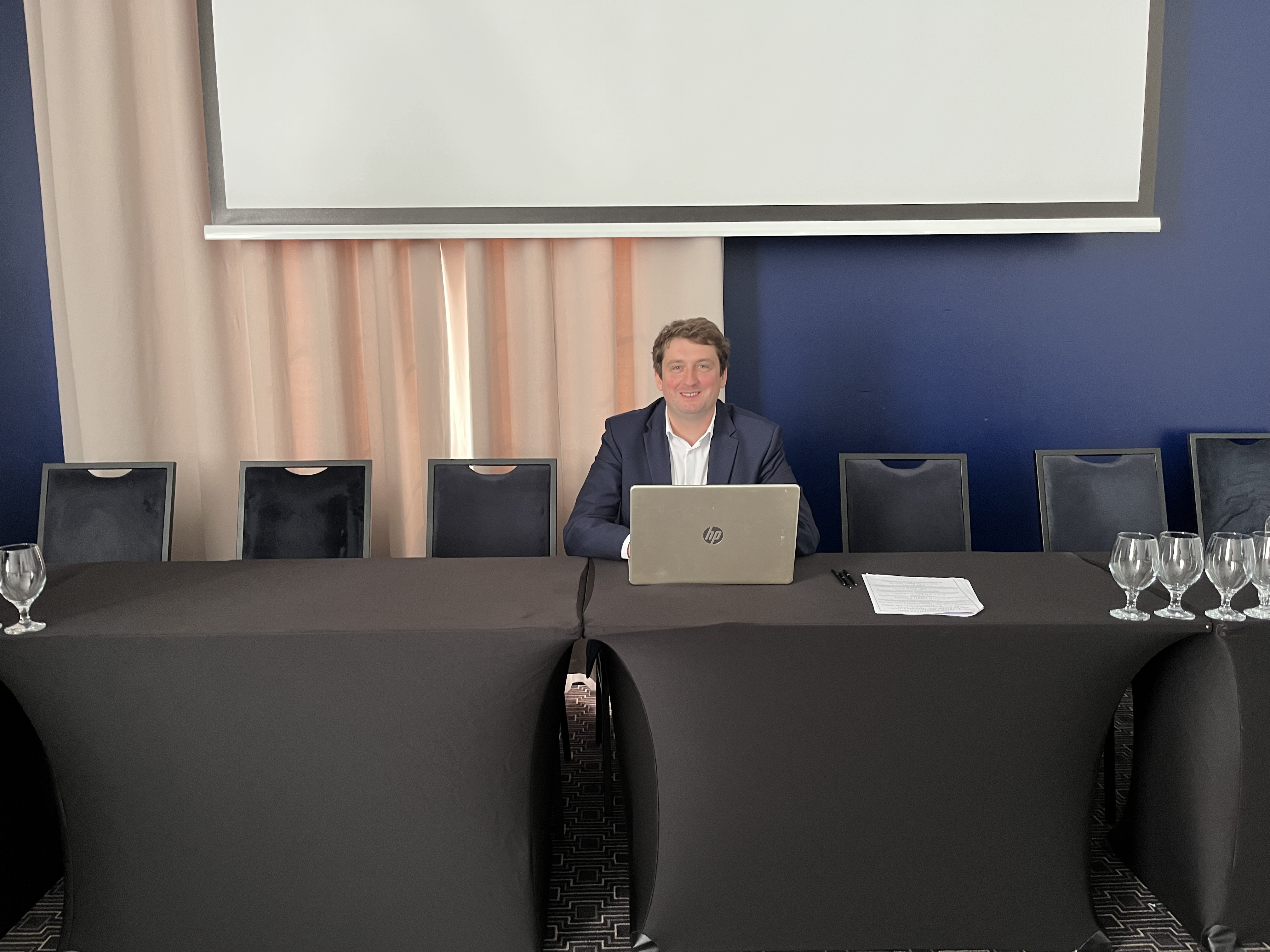
Event: XXIII National Symposium on Law and Religion and the Meeting of Chairs, Departments and Lecturers of Law and Religion
Venue: Częstochowa, Poland
Title of presentation: The Limits of Parents’ Rights to Shape a Child’s Digital Upbringing in Accordance with Their Own Beliefs
The presentation examined the relationship between parental rights and children’s rights in the digital age, focusing on the extent to which parents may shape a child’s access to the internet and digital technologies according to their own beliefs and values. The discussion addressed issues of digital participation, digital exclusion, and the balance between parental authority and children’s autonomy, linking these questions to broader debates on the right to use - and not to use - the internet.
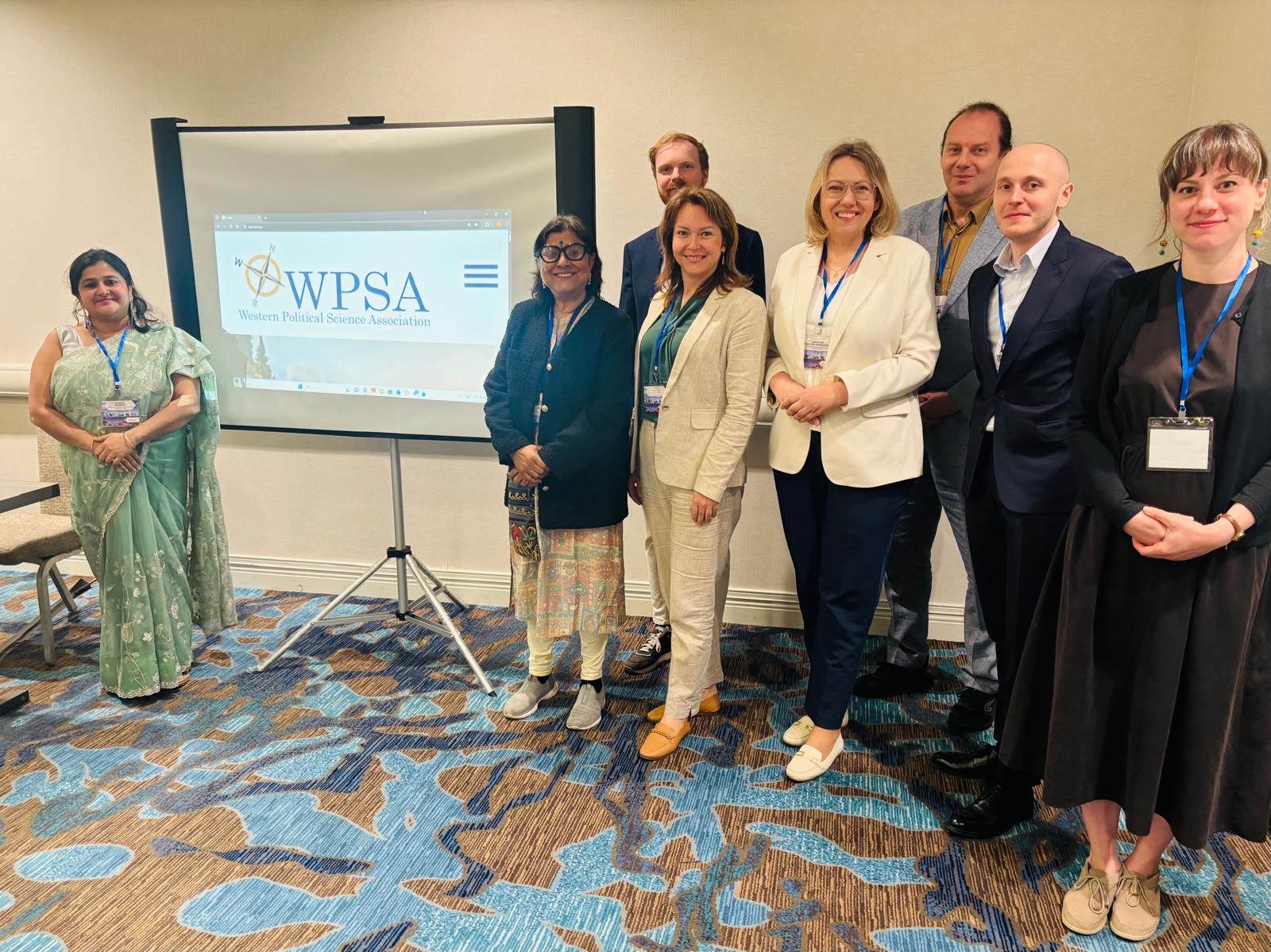
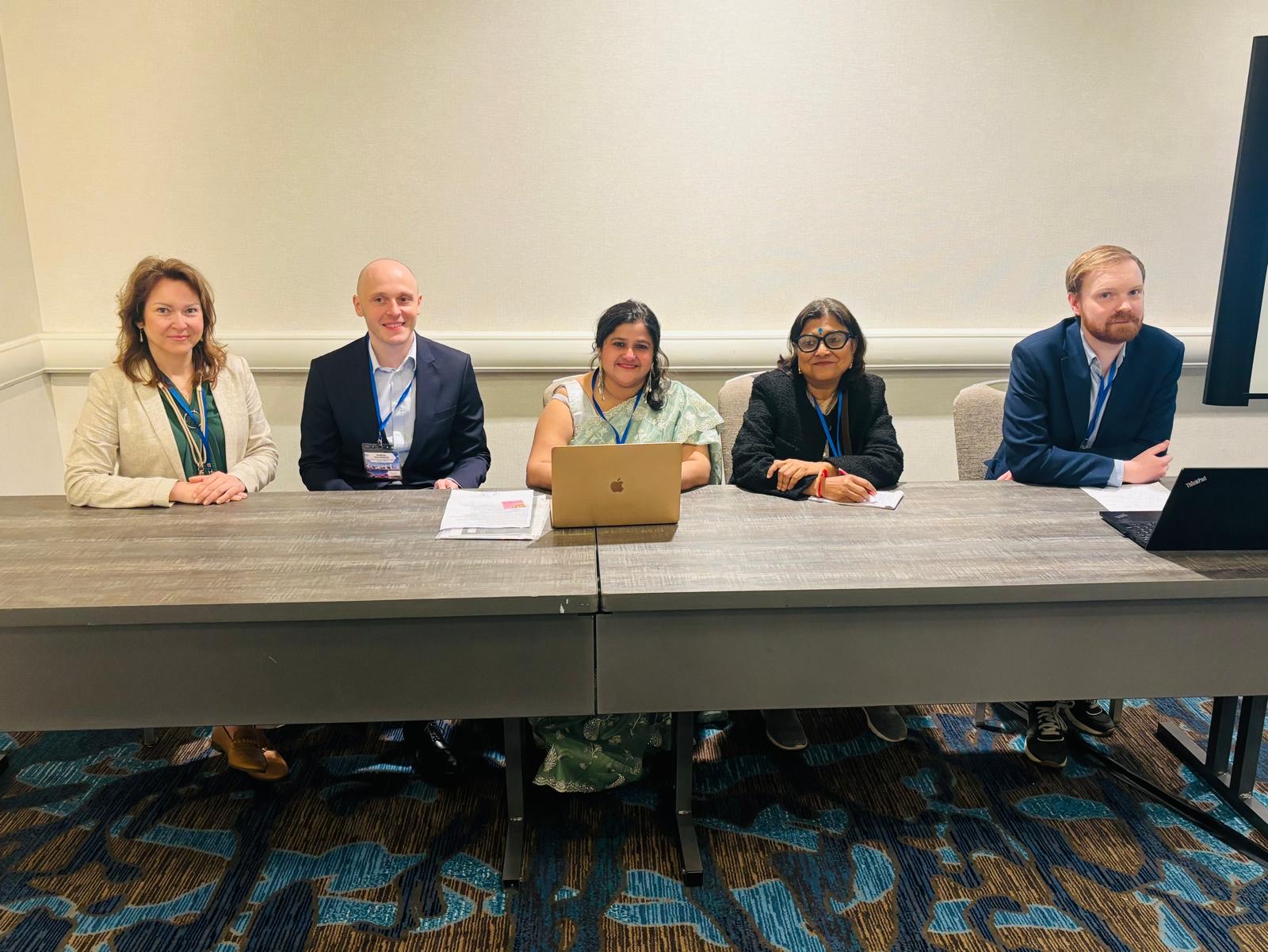
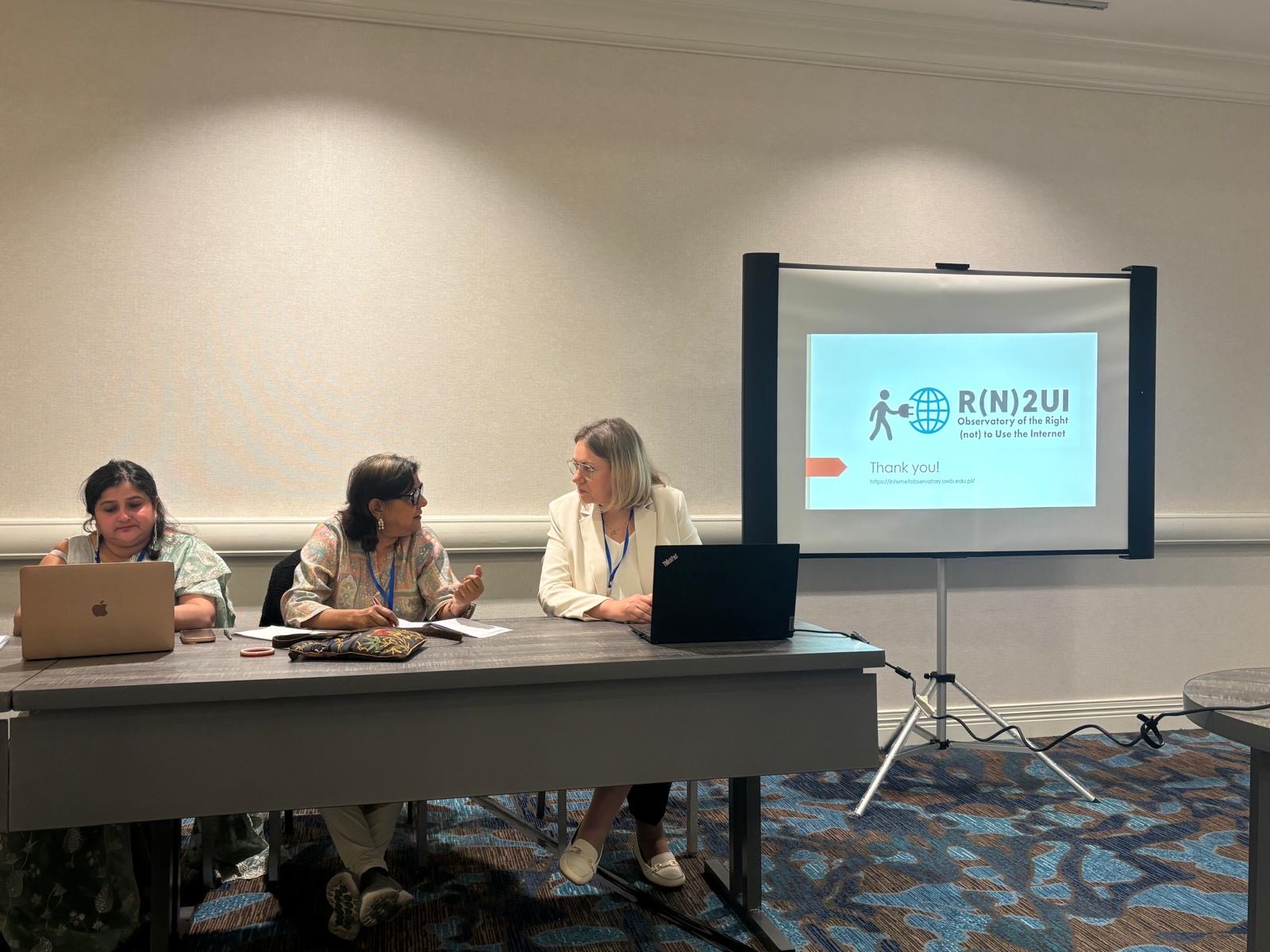
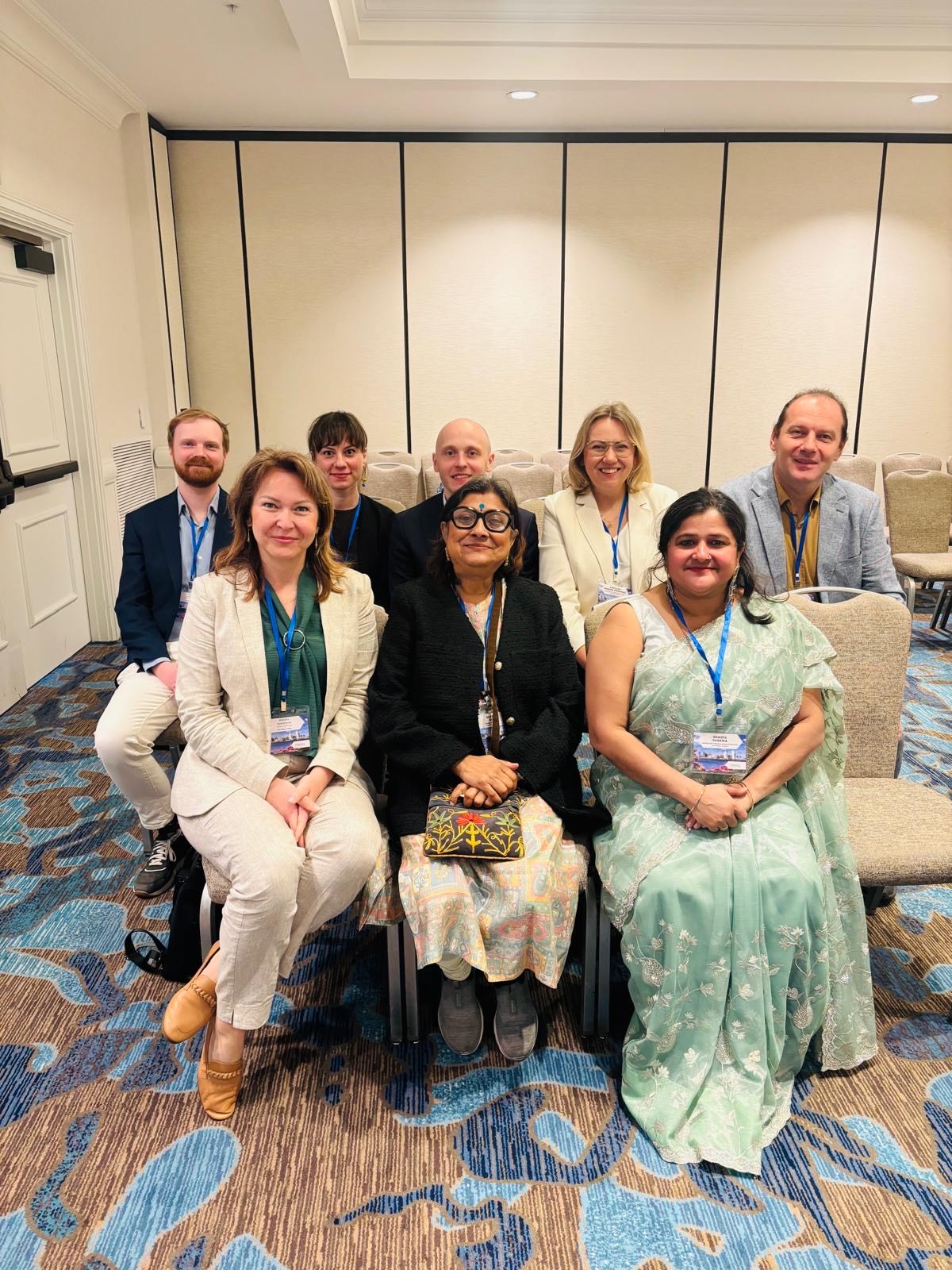
- Elżbieta Kużelewska, Karolina Ferreira Fernandes, Suay Ergin, Eva Lievens, Valerie Verdoodt, Radosław Puchta, Damian Malinowski
Date: April 1-4, 2026
Event: Western Political Science Association Annual Conference
Venue: San Diego
Panel : Judicial Politics, Legal Politics and Public Law
Participants and papers:
- Elżbieta Kużelewska, Damian Malinowski, Mariusz Tomaszuk - The Elderly Digital Divide: Digital Exclusion Versus the Right not To Use the Internet
- Karolina Ferreira Fernandes, Radosław Puchta -The Right Not to Use the Internet as a Possible Answer to Digital Disinformation
- Suay Ergin, Eva Lievens, Valerie Verdoodt - Rethinking Digital Inclusion: the Case for the Right (Not) to Use the Internet
Additional activity:
Elżbieta Kuzelewska - Chair of the panel Law in the Digital Age
Context:
Members of the Observatory actively participated in conference panels, presenting research on digital exclusion, the right not to use the Internet, and challenges related to digital disinformation. Their contributions engaged with current debates on the impact of digital technologies on democratic systems and individual rights. Additionally, Elżbieta Kuzelewska’s role as panel chair highlights the team’s strong involvement in international academic collaboration and scholarly discourse.
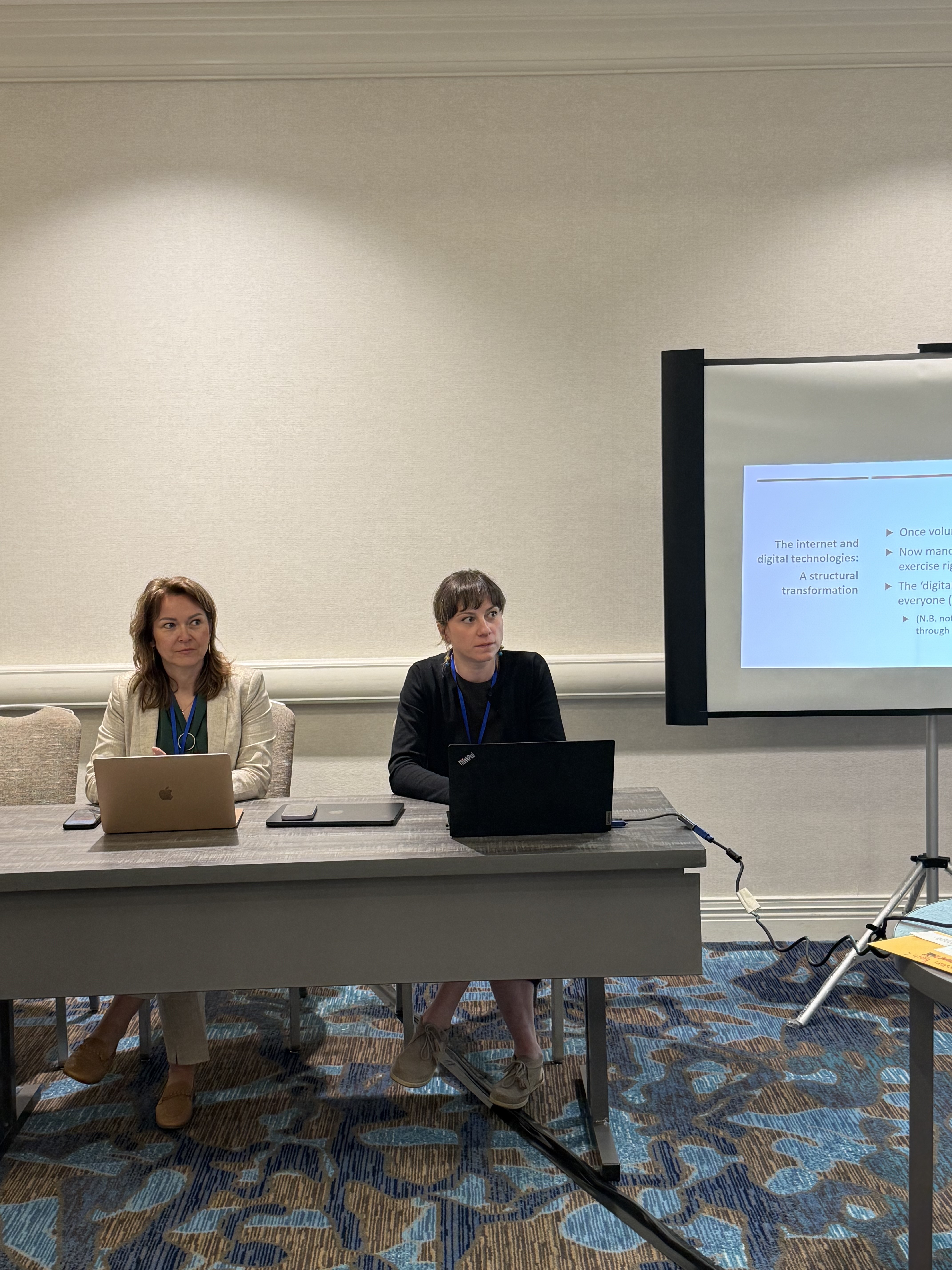
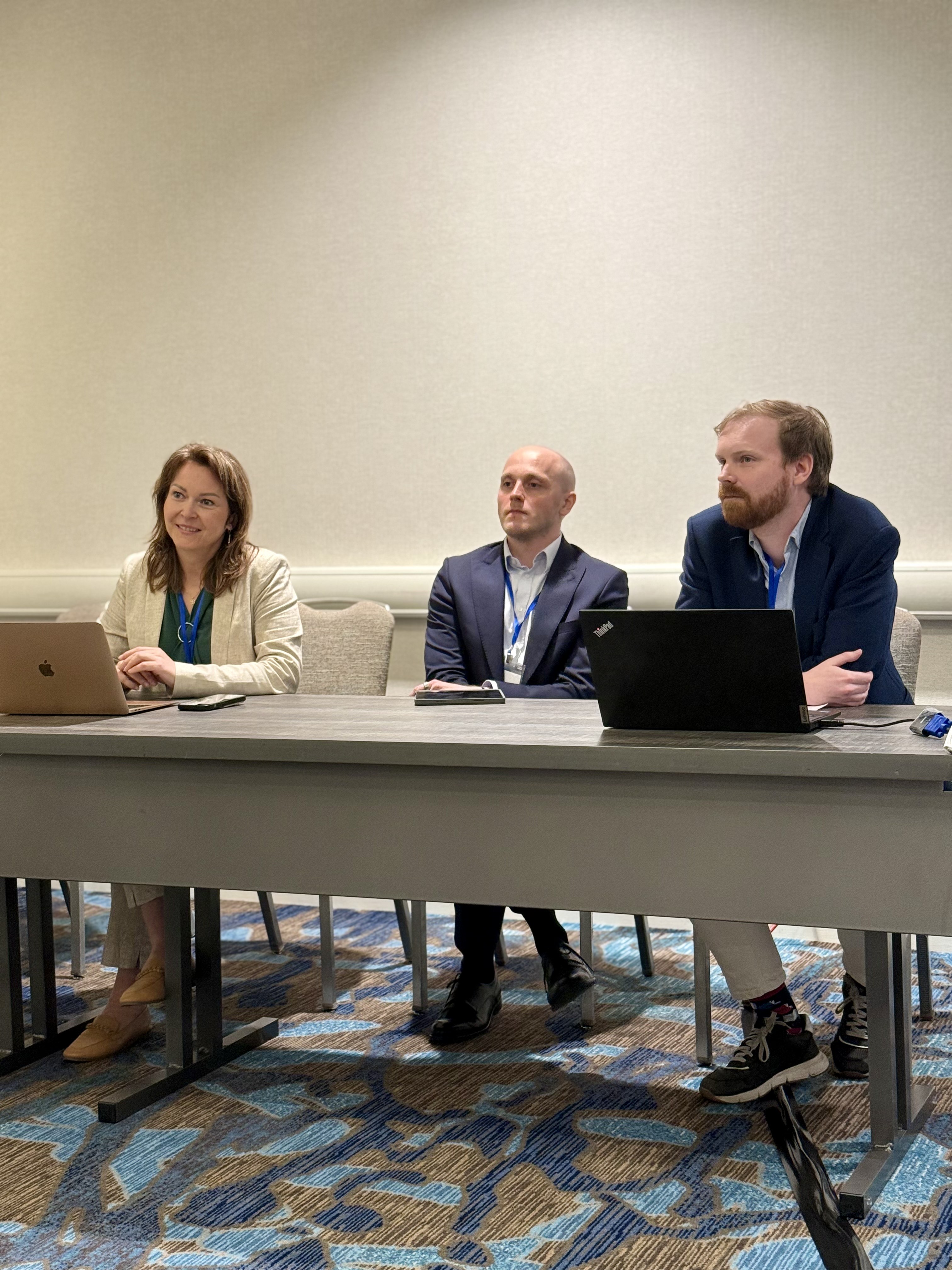
- Suay Ergin
Date: 12- 13 February 2026
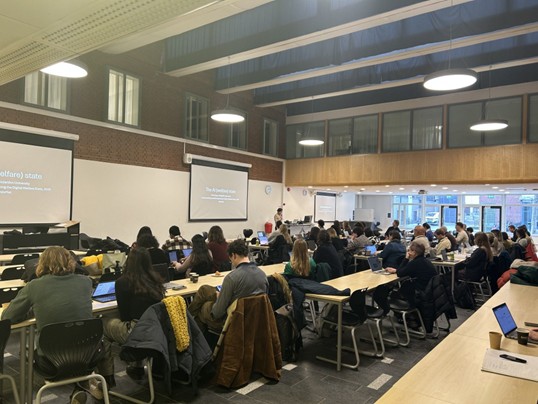
Event: Understanding and Re-Imagining the Digital Welfare State
Venue: Oslo, Norway
Panel: Law and governance
Presenter:
- Suay Ergin: The Impact of Digital-by-Default Public Services on Vulnerable Groups through the Lens of the Right (Not) to Use the Internet
Context: Suay Ergin, PhD candidate at Ghent University, participated in the workshop Understanding and Re-Imagining the Digital Welfare State, organised by DIGIT and held at OsloMet in Norway. The event focused on the impact of digitalisation, automated decision-making, and predictive analytics on welfare governance, as well as future directions for more inclusive and socially just digital welfare systems.
In her presentation, she examined the consequences of digital-by-default public services for vulnerable groups through the lens of the Right (Not) to Use the Internet [R(N)2UI]. The analysis highlighted the dual nature of this concept, encompassing both the right to meaningful digital inclusion and the right to access equivalent offline alternatives.
The presentation also pointed to key challenges, including fragmented legal frameworks, limited recognition of these rights as human rights, and the lack of empirical data on everyday experiences of internet use and non-use.
More about the conference: https://www.digitresearchschool.no/events/digitalwelfarestate
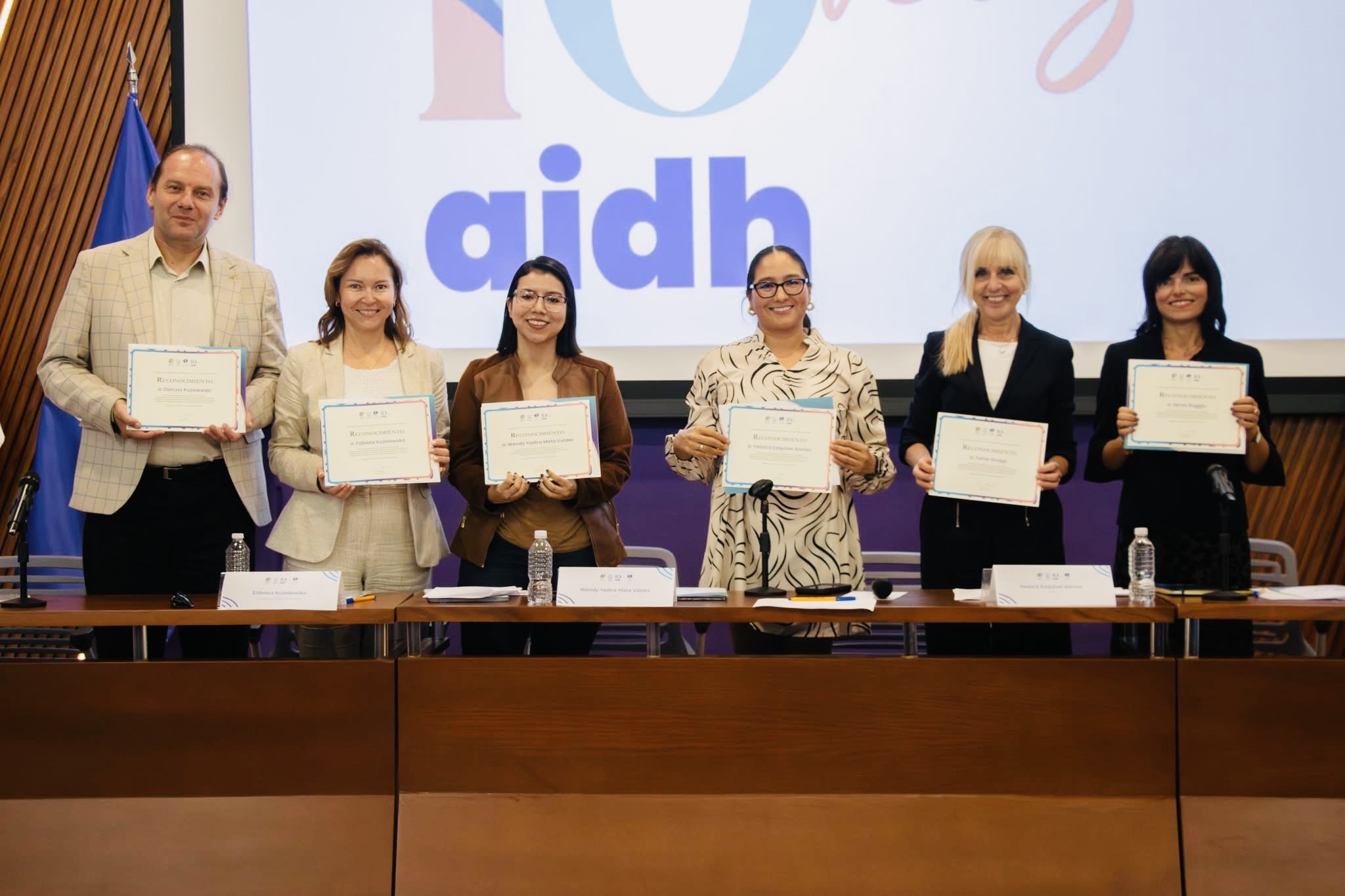
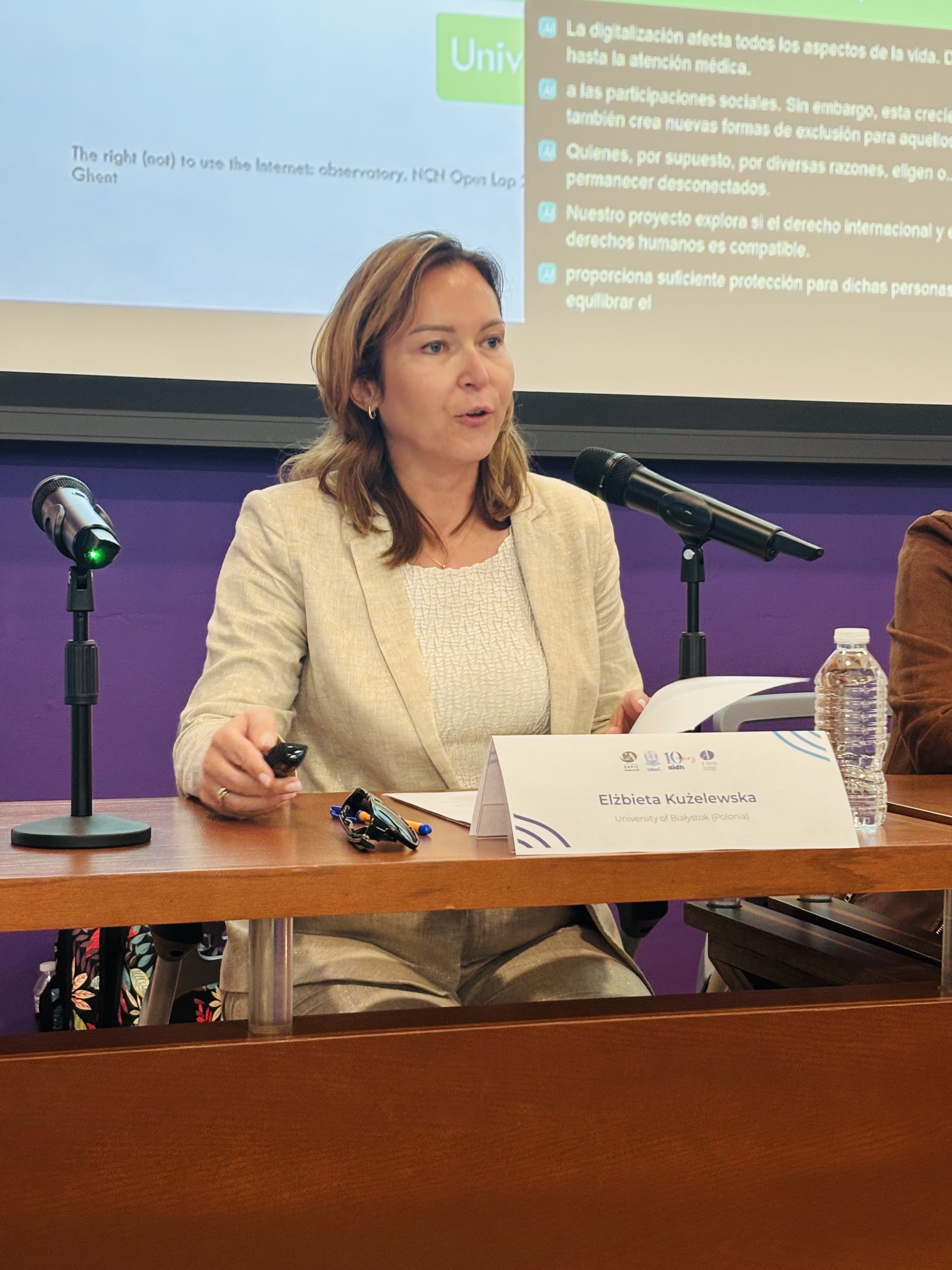
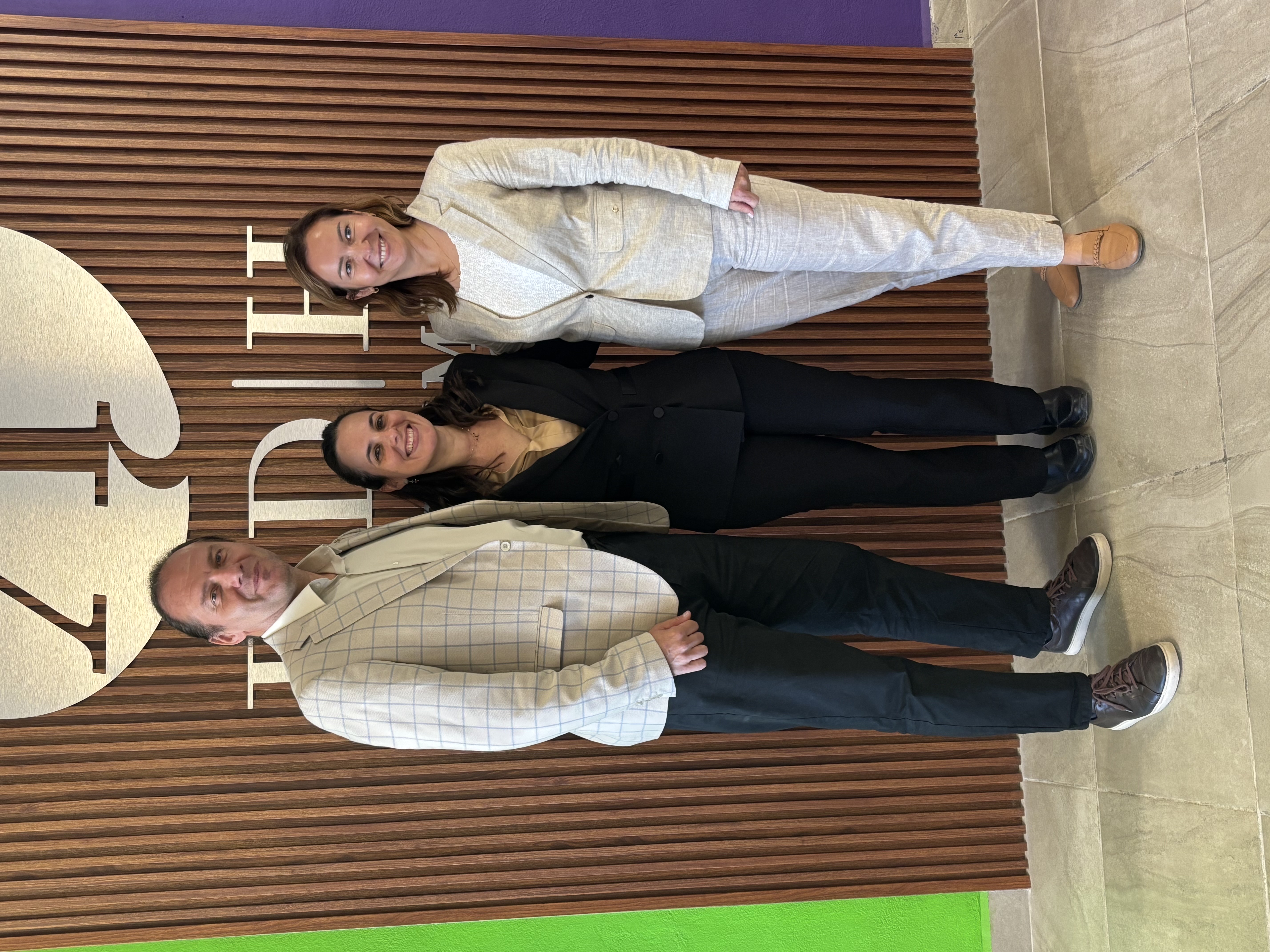
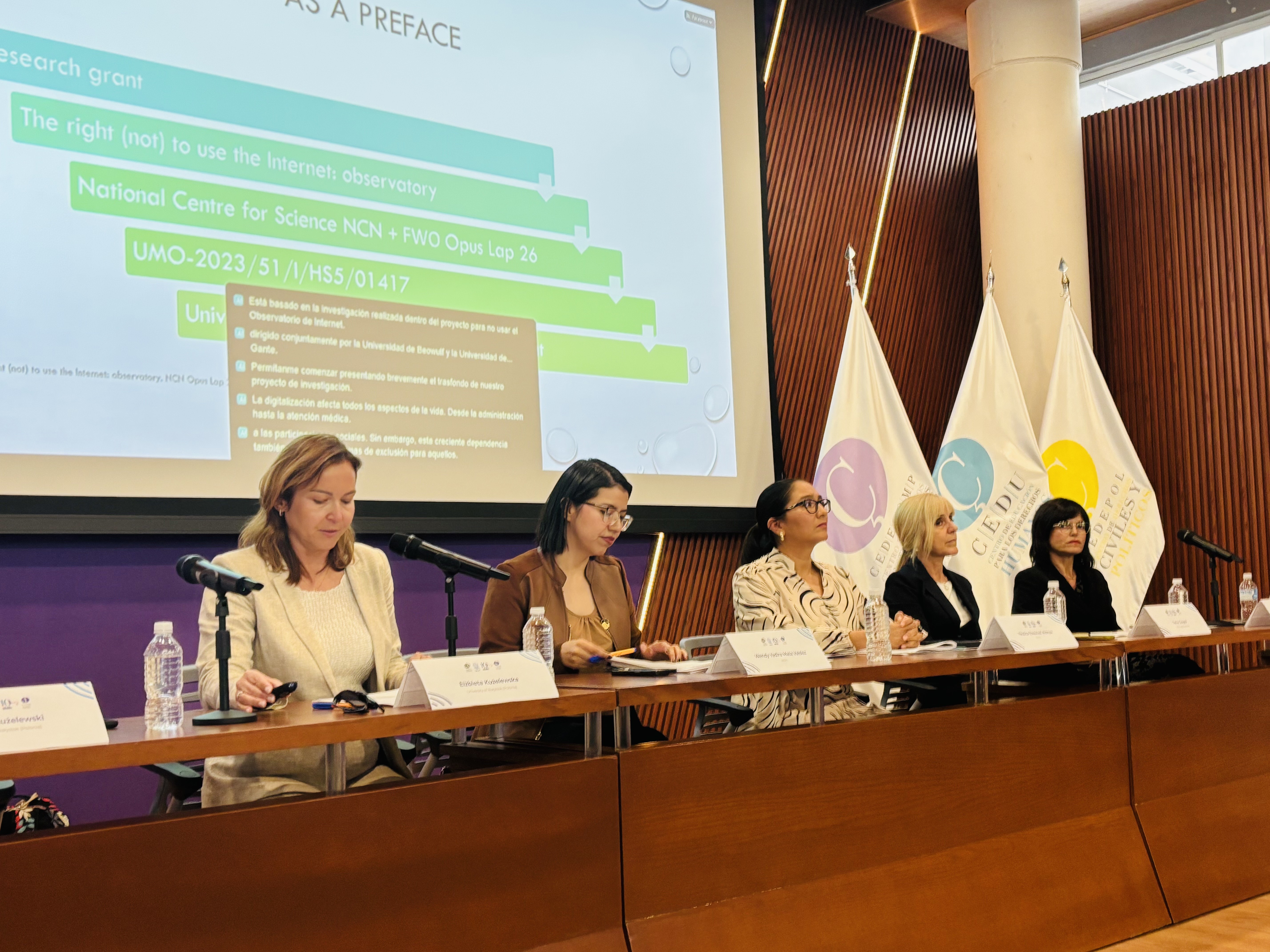
- Elżbieta Kużelewska at the Congreso Internacional de Derechos Humanos, Arteaga-Saltillo, Coahuila, Mexico
Date: November 6–7, 2025
Event: Congreso Internacional de Derechos Humanos
Venue: Arteaga-Saltillo, Coahuila, Mexico
Panel: La perspectiva internacional, comparada y europea de los DDHH
Presenter:
- Elżbieta Kużelewska - The Right (Not) to Use the Internet: Human Rights Perspectives on Digital Choice and Technological Non-Use - A European Perspective
The presentation explored the emerging concept of the right not to use the Internet as a dimension of human rights. It argued that digital autonomy should encompass both the freedom to connect and the freedom to disconnect, as excessive digitalization may threaten individual dignity and autonomy. Drawing on European human rights law, the study concludes that existing legal frameworks can already safeguard this aspect of digital self-determination.
- Damian Malinowski at the Leiden Conference on Social Rights
Date: 4-5 September 2025
Event: International conference “Advancing Social, Economic, and Cultural Rights in a Polarised, Digitalised, and Unequal World”
Venue: Leiden, Netherlands
Panel: Digital Challenges to ESCR
Presenter:
- Damian Malinowski: The Right (not) to Use the Internet: Human Rights Perspectives on Digital Choice and Technological Non-Use.
Context: Damian Malinowski, a PhD candidate supervised by Professor Elżbieta Kużelewska at the University of Białystok, took part in the international conference “Advancing Social, Economic, and Cultural Rights in a Polarised, Digitalised, and Unequal World” (Leiden University, 4-5 September 2025). The event marked the launch of the NNHRR Working Group on Economic, Social and Cultural Rights and the project “Evolving Rights: Social Rights in the Era of Climate Change and Digital Revolution.”
Participants examined how social rights such as health, housing, and education are being reshaped by climate change, digitalisation, and social inequality.Malinowski argued that individuals should enjoy a right to digital non-use, meaning the freedom to remain offline without losing access to essential services or social participation. He described this as part of broader autonomy and privacy rights that counter the growing social and administrative pressure to be constantly connected. His presentation highlighted the need for legal frameworks ensuring that digitalisation enhances rather than limits human dignity and equality. The presentation resonated strongly with the conference’s central theme, which was to redefine social rights for an era in which technology and connectivity increasingly determine inclusion and exclusion.
More about the conference: Leiden as a meeting place for social rights research
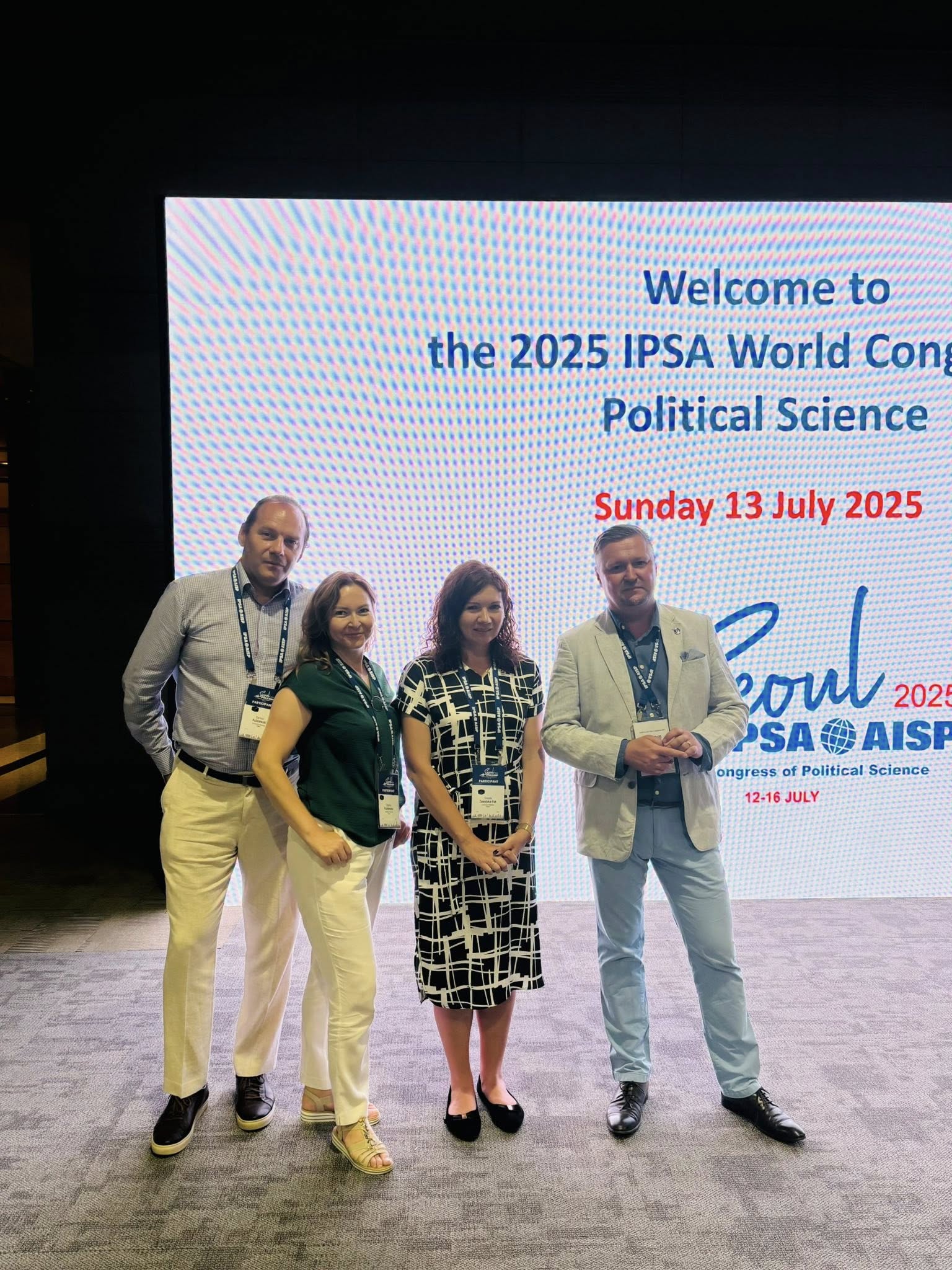
- Elżbieta Kużelewska & Radosław Puchta
Date: July 12-16, 2025
Event: IPSA World Congress of Political Science (#IPSA 2025)
Venue: Seoul, South Korea
Panel: The Three D’s: Digital Campaign, Disinformation, and Detachment of Democracy
Presenters:
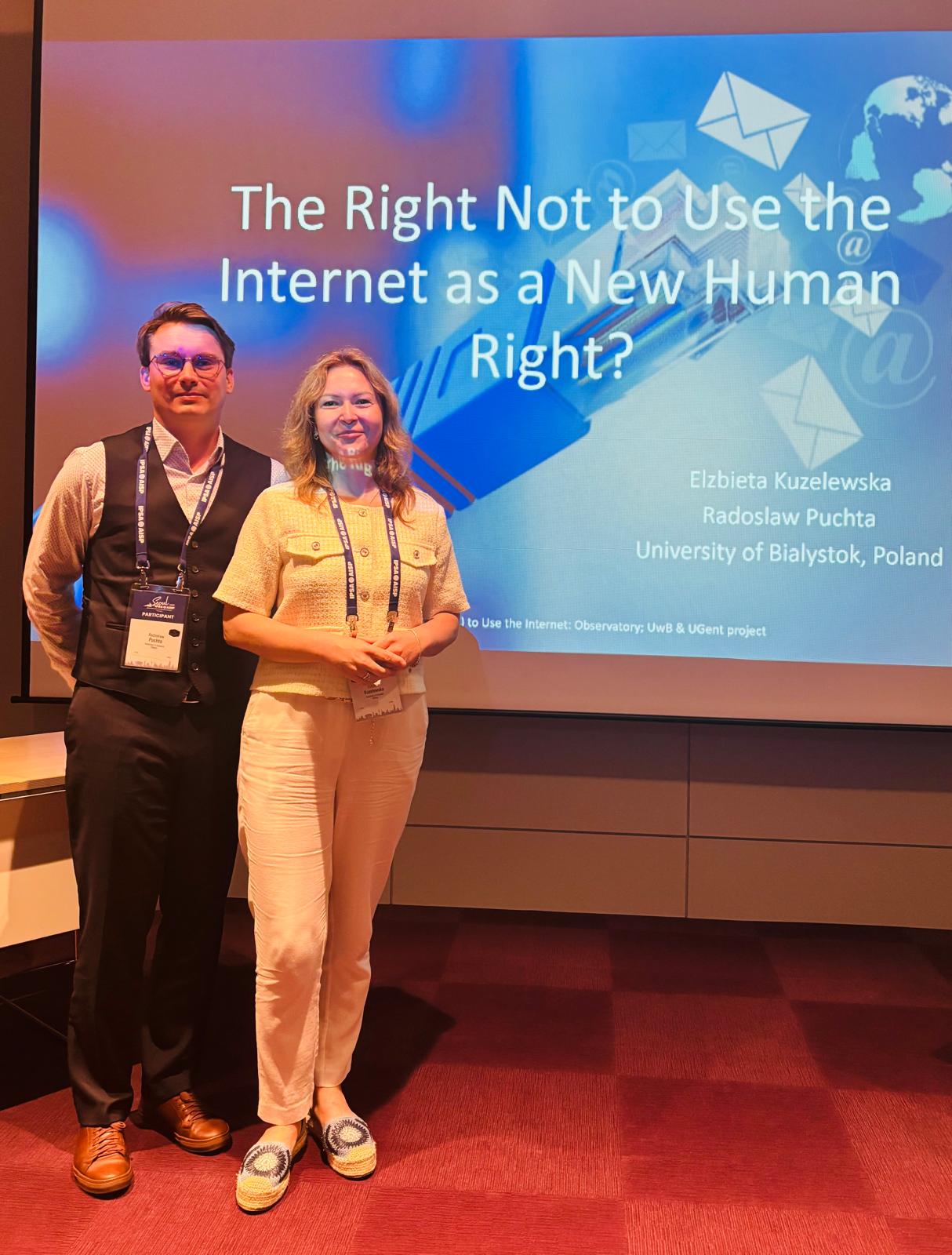
- Elżbieta Kużelewska: The Right Not to Use the Internet as a New Human Right?
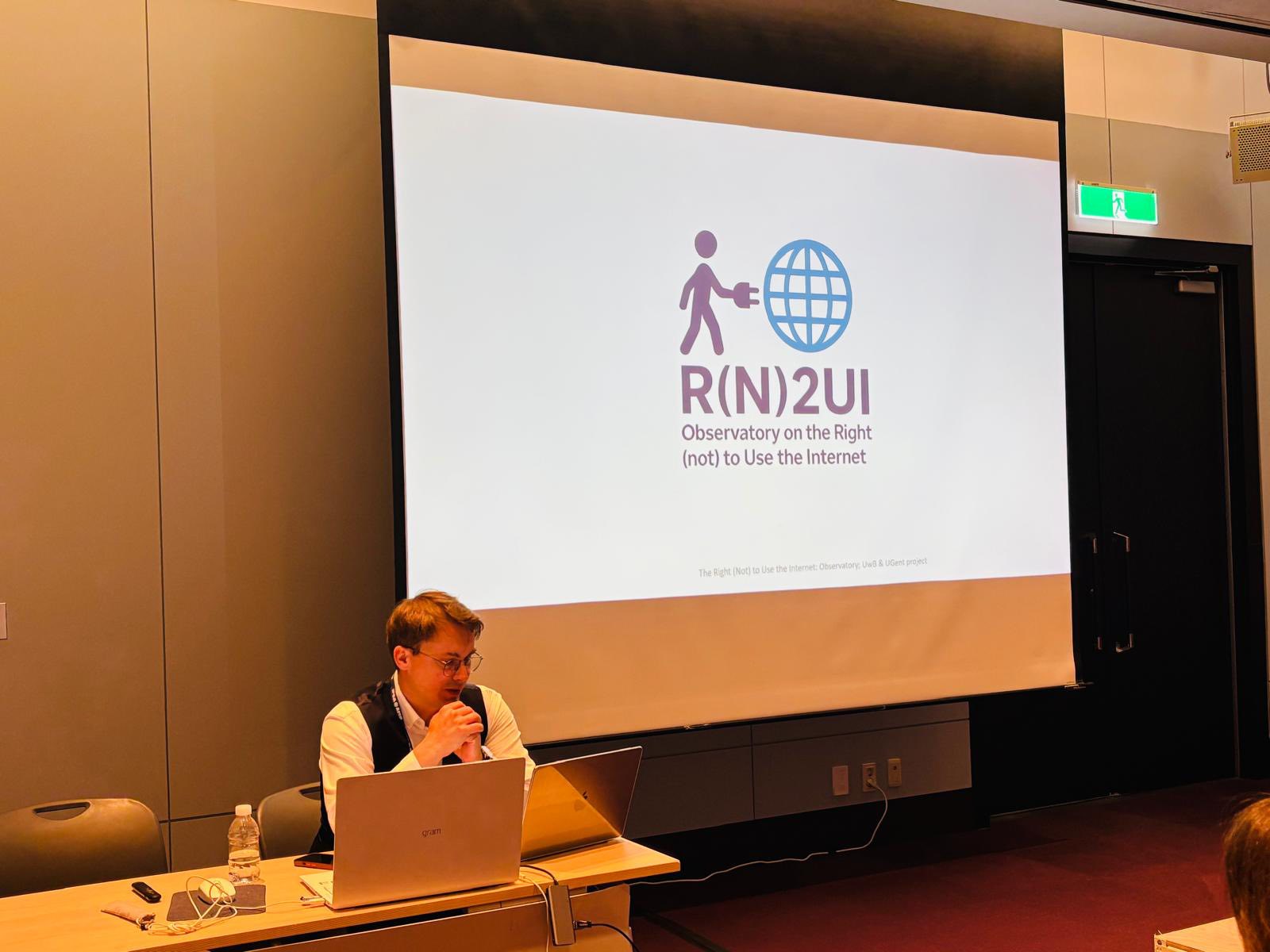
- Radosław Puchta: The Right Not to Use the Internet – Toward a Negative Digital Freedom
Context: Both presentations develop the normative and legal framework for the right to remain offline in a hyperconnected society. They address how digital saturation, political manipulation, and surveillance challenge autonomy, and argue for formal recognition of the right not to engage with digital technologies.
- Karolina Ferreira Fernandes
Date: July 9–11, 2025
Event: International Conference "Interdisciplinary Perspectives on the Mediation of the Russian-Ukrainian War: Language, Representation, Society, Culture"
Venue: Lucian Blaga University of Sibiu (Sibiu, Romania) (online)
Presentation Title: Disinformation about the War in Ukraine in Polish Media: Narratives, Channels, and Impact (Co-author: Oksana Voytyuk)
Context: The paper critically examines the role of digital media in spreading war-related disinformation. It highlights how the oversaturation of digital content reinforces arguments for the right to withdraw from the internet as a means of psychological and informational self-protection.
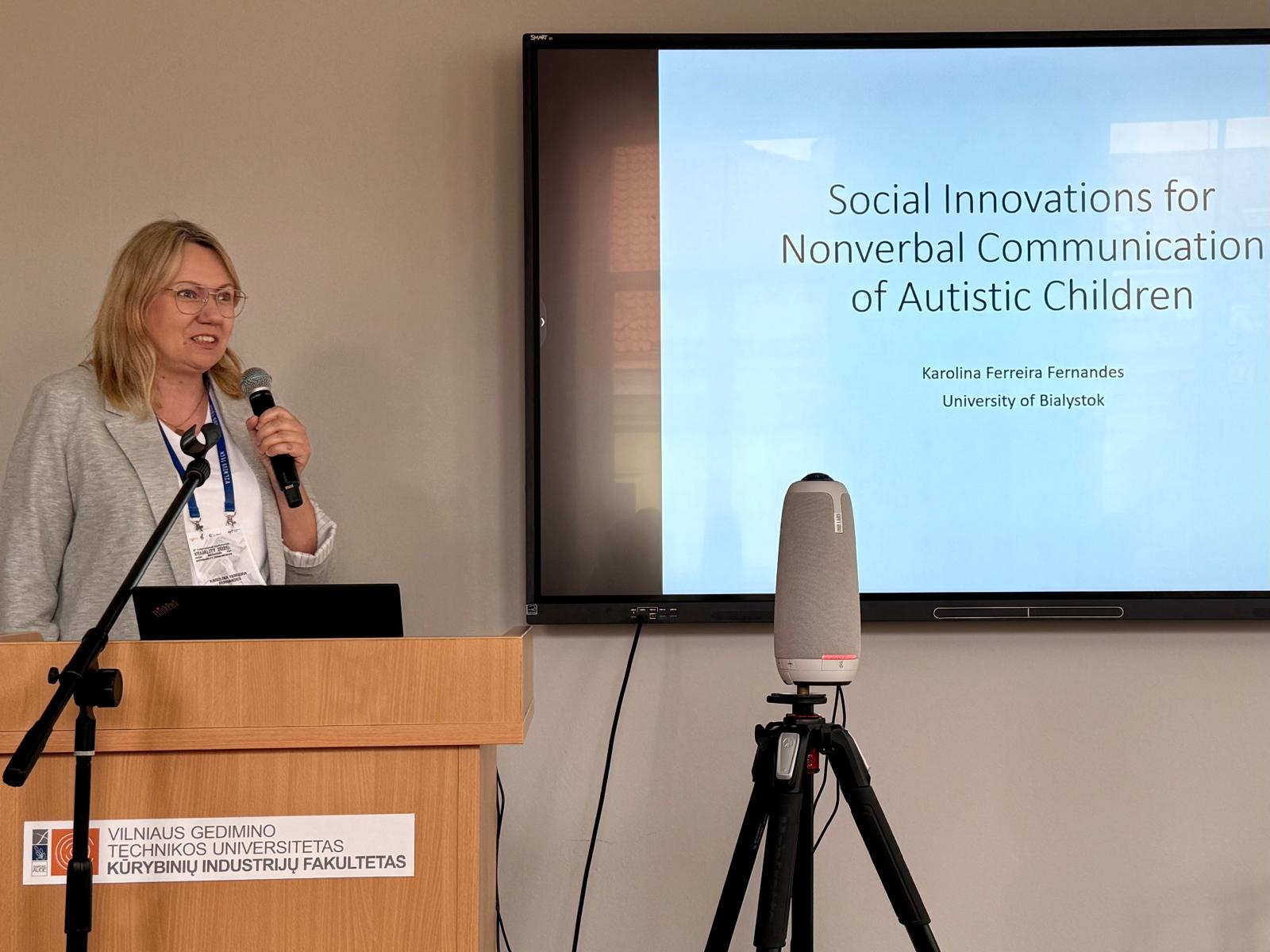
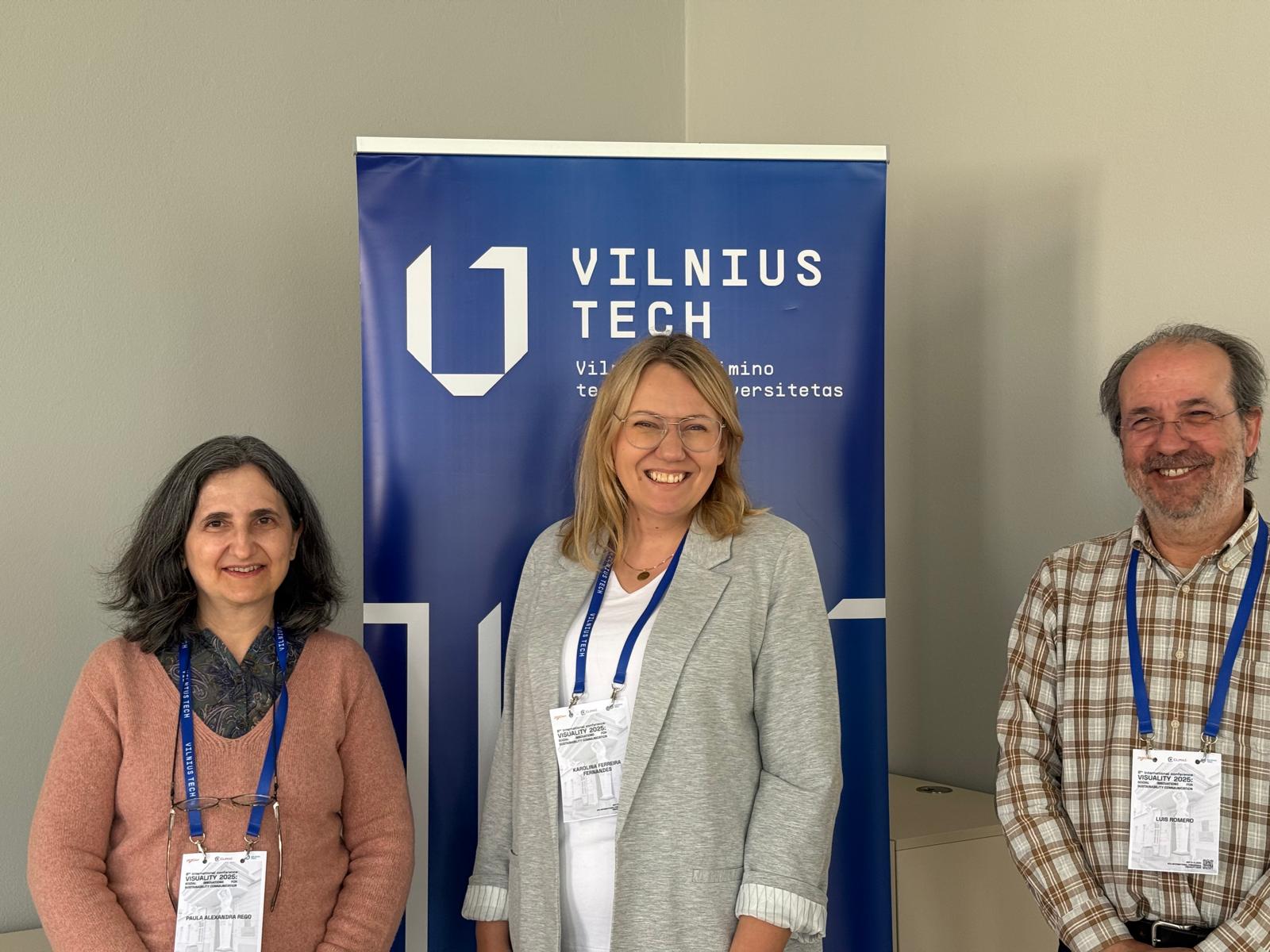
- Karolina Ferreira Fernandes
Date: May 8–9, 2025
Event: 8th International Conference VISUALITY 2025: Social Innovations for Sustainability Communication
Venue: Vilnius Gediminas Technical University (Vilnius, Lithuania)
Presentation Title: Social Innovations for Nonverbal Communication of Autistic Children
Context: The presentation focuses on one of many vulnerable groups - non-speaking autistic children- and demonstrates that technological solutions can meaningfully support their communication needs. At the same time, it emphasizes the importance of maintaining access to offline, non-digital tools to ensure autonomy and inclusion beyond the digital realm.
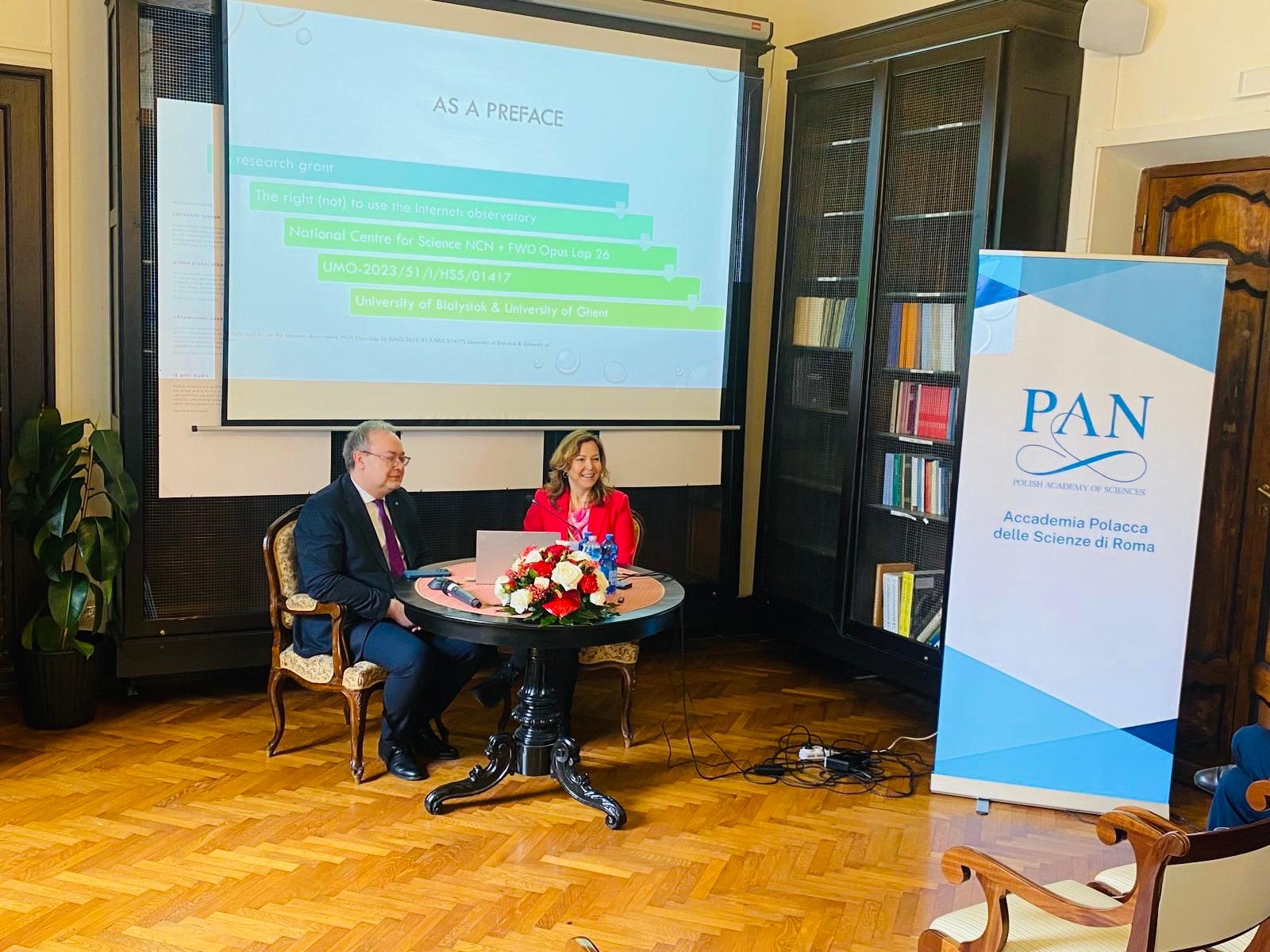
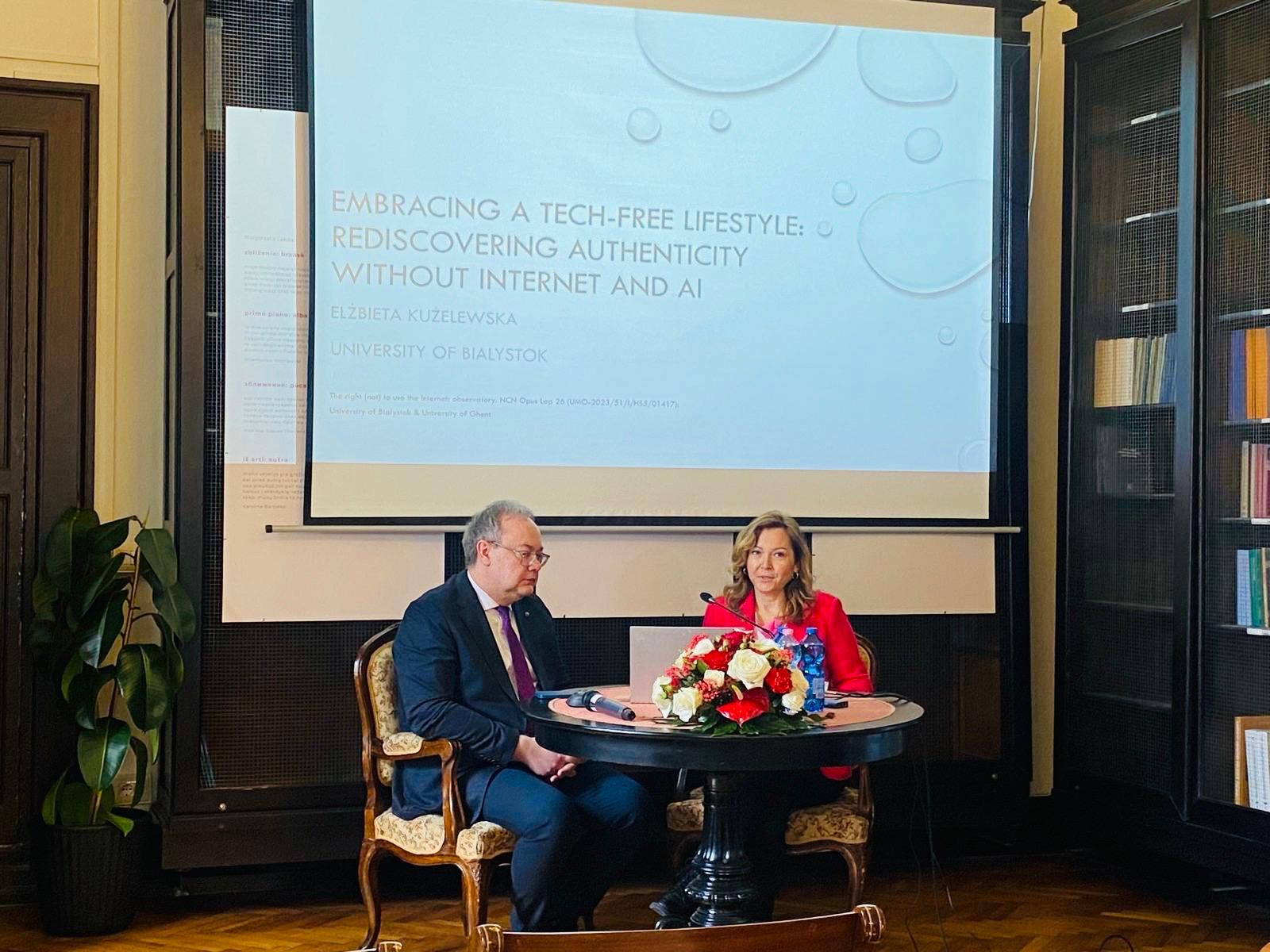
- Elżbieta Kużelewska
Date: February 25, 2025
Event: International Scientific Conference "Artificial Intelligence in Legal Procedures: Contemporary Challenges and Threats"
Venue: Accademia Polacca delle Scienze di Roma (Rome, Italy)
Presentation Title: Embracing a Tech-Free Lifestyle: Rediscovering Authenticity without Internet and AI
Context: This presentation explores the philosophical and legal foundations of voluntarily living without the internet and artificial intelligence. It discusses the implications of digital withdrawal and argues for recognizing a tech-free lifestyle as part of human rights discourse.